
Stotra
Sanskrit hymns of praise, often more elaborate and philosophically dense than a chalisa or mantra.
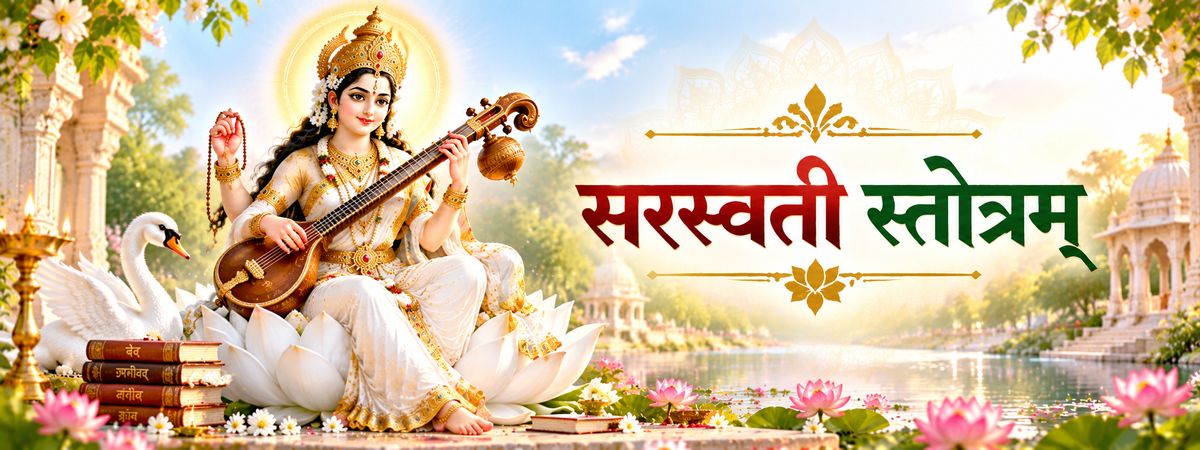
Saraswati Stotram (Agastya Muni)
Sage Agastya's twenty-one-verse hymn to Saraswati, opening with the famous "Ya kundendu tushara hara dhavala" and including "Saraswati namastubhyam, varade kamarupini, vidyarambham karishyami". Recited by students, on Vasant Panchami and at the start of learning.
Read more →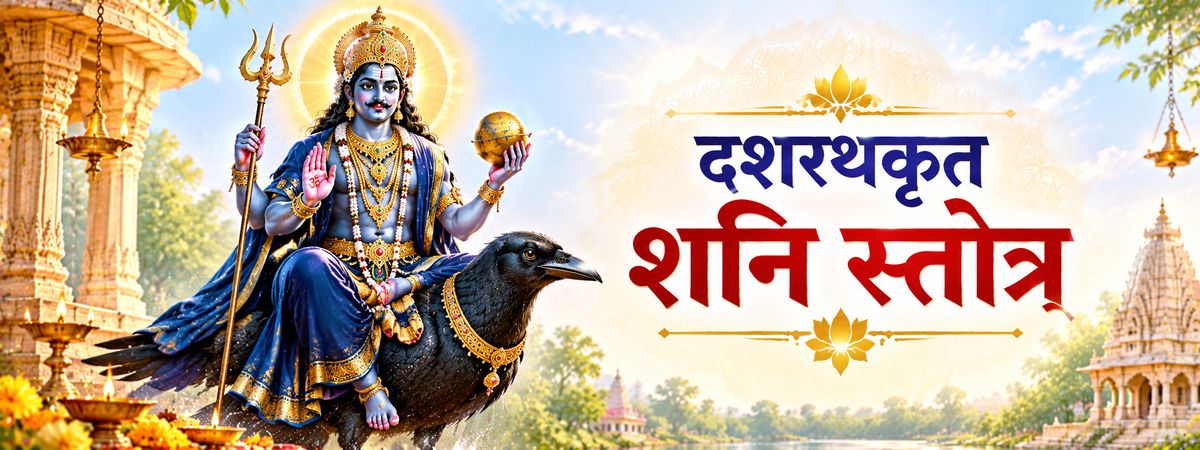
Dashrath Krit Shani Stotra
The hymn King Dasharatha sang to Shani when he confronted the planet to stop a twelve-year famine. Ten verses of salutation to Shani's dark, gaunt, slow-moving form end with Dasharatha's boon: "from today, give pain to no one". Recited on Saturdays and in Sade Sati.
Read more →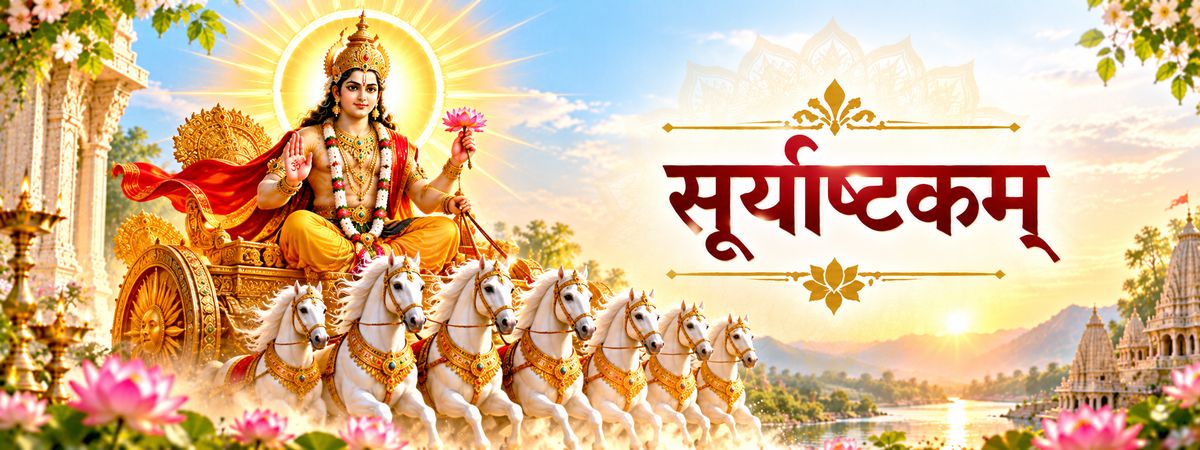
Surya Ashtakam (Adideva Namastubhyam)
The eight-verse hymn to Surya beginning "Adideva namastubhyam", salutations to the first god, with the refrain "tam suryam pranamamyaham", I bow to that Sun. Recited at sunrise on Sundays, during Chhath and on Makar Sankranti; it says the reader is freed from planetary affliction.
Read more →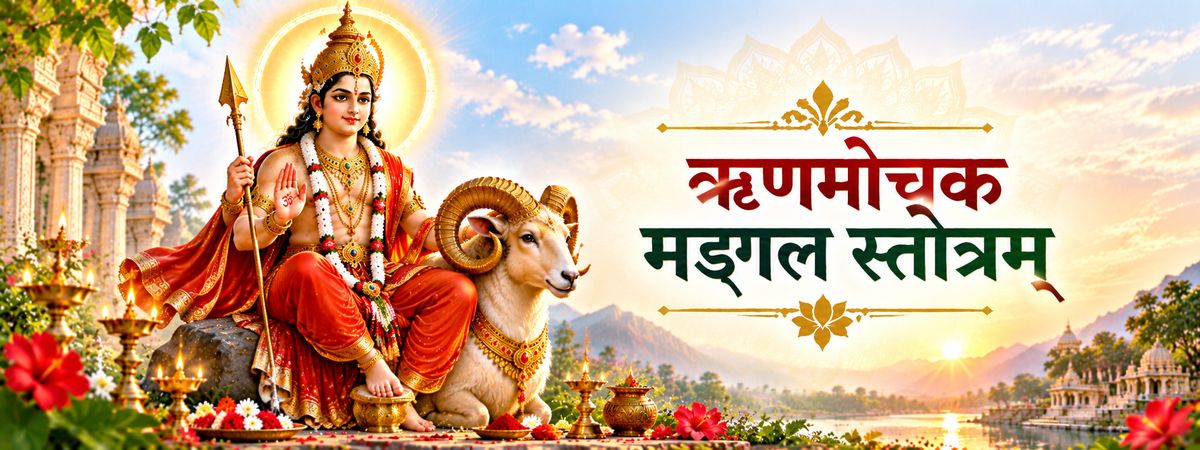
Rin Mochan Mangal Stotram
The hymn to Mangal (Mars) for freedom from debt, from the Skanda Purana. It lists twenty-one names of Mangal, "son of the earth, remover of debt, giver of wealth", and asks him to destroy debt, disease and poverty. Recited on Tuesdays.
Read more →
Narmadashtakam (Namami Devi Narmade)
Adi Shankaracharya's hymn to the river Narmada, famous for its galloping rhythm and its refrain "tvadiya pada pankajam namami devi narmade", I bow to your lotus feet, Goddess Narmada. Sung at her ghats at dusk and on Narmada Jayanti.
Read more →
Shri Yamunashtakam (Vallabhacharya)
Shri Vallabhacharya's nine-verse hymn to Yamuna Maharani, the first of his Shodasha Granth and the daily prayer of the Pushtimarg. It praises Yamuna as Krishna's beloved, daughter of the Sun and sister of Yama, whose water frees from Yama's punishment and grows love for Mukunda.
Read more →
Annapurna Stotram (Nityanandakari)
Adi Shankaracharya's hymn to Annapurna, queen of Kashi, in which every verse ends "bhiksham dehi kripavalambanakari mata annapurneshvari": give me alms, Mother Annapurneshwari, support of all through your grace. It closes with the famous line "my mother is Parvati, my father Maheshwara".
Read more →
Daridrya Dahana Shiva Stotram
Sage Vasishtha's hymn to Shiva as "the one who burns away the sorrow of poverty". Each of its eight verses praises Shiva through a string of names and ends with the same refrain, "daridrya duhkha dahanaya namah shivaya".
Read more →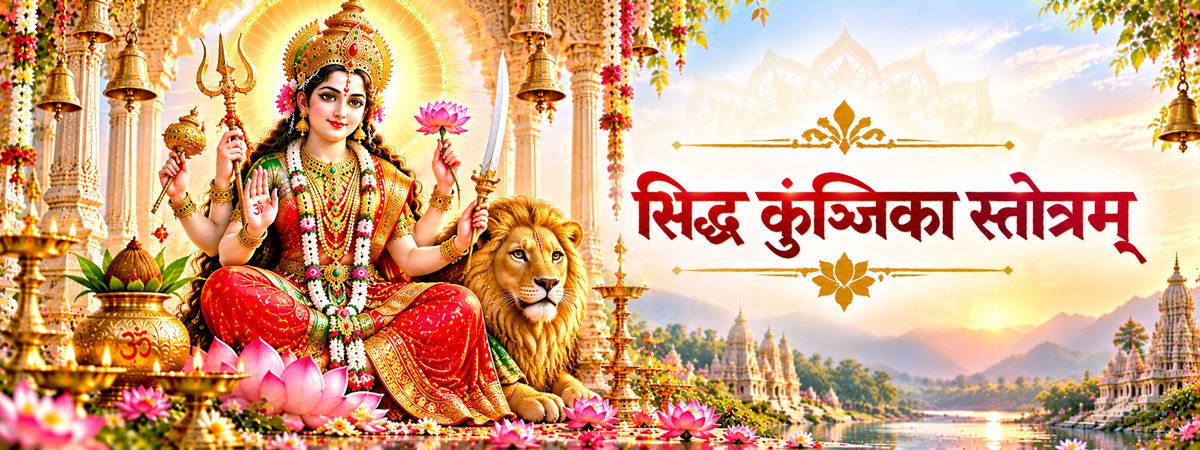
Siddha Kunjika Stotram
The "key" to the Durga Saptashati: a short Tantric hymn in which Shiva tells Parvati that reciting it alone gives the fruit of the whole Chandi path. It contains the Navarna mantra and a dense string of bija syllables, and is read especially in Navratri.
Read more →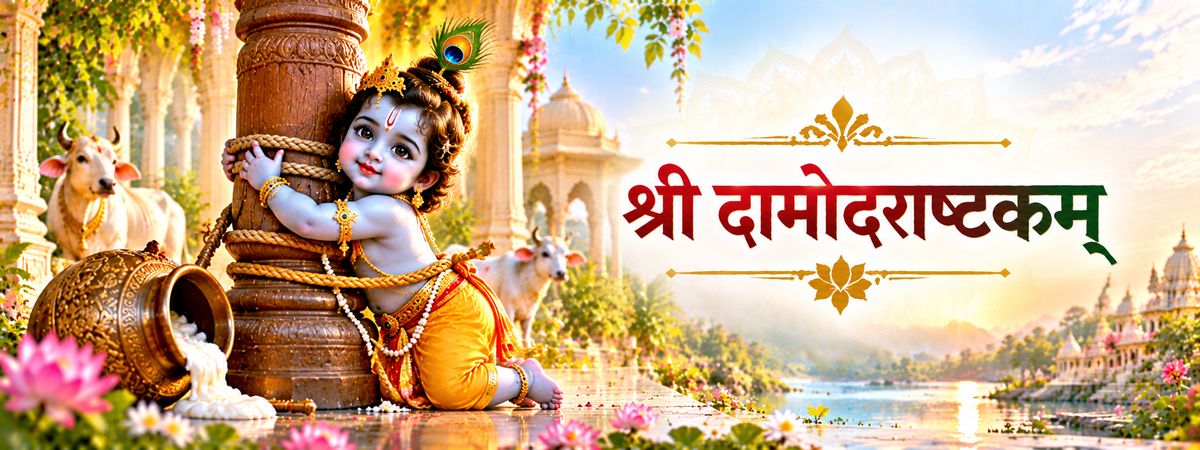
Shri Damodarashtakam
The eight-verse hymn to Krishna as Damodar, "bound at the waist" by Yashoda's rope, sung every evening of the month of Kartik with a lamp offering. From the Padma Purana, spoken by Satyavrata Muni, it asks not for liberation but for the vision of the child Krishna in the heart.
Read more →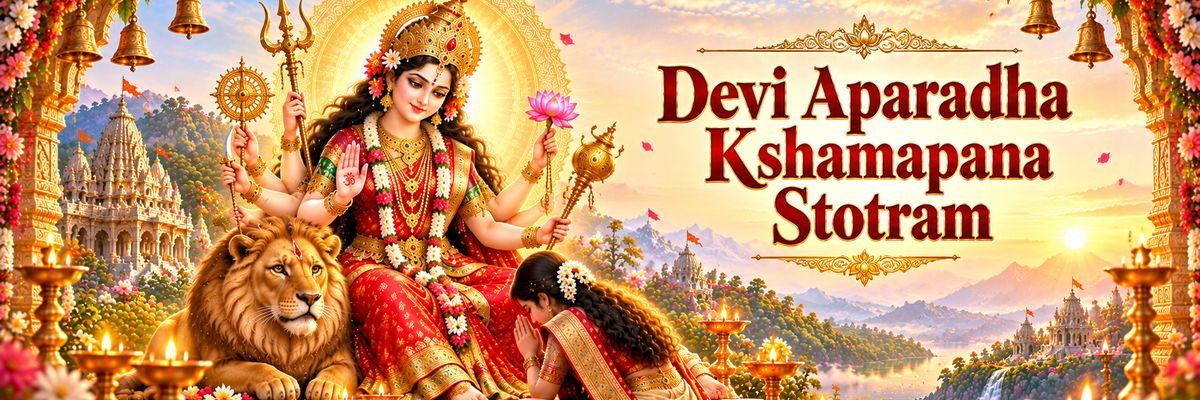
Devi Aparadha Kshamapana Stotram – Na Mantram No Yantram
The hymn asking the Divine Mother's forgiveness, famous for its refrain "Kuputro jayeta kvachidapi kumata na bhavati" — a bad son may be born, but never a bad mother. What its twelve verses confess, and why it is recited at the end of every Devi puja.
Read more →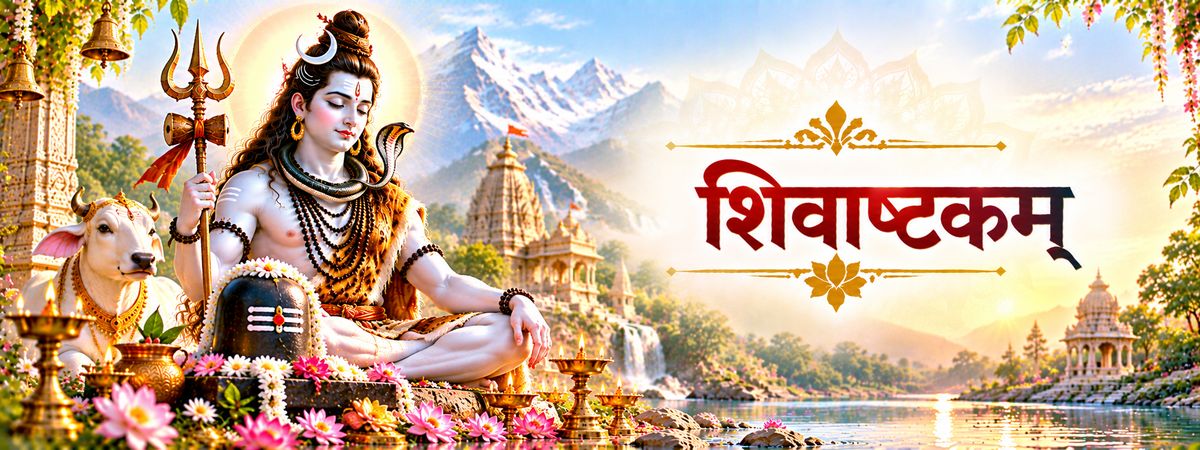
Shivashtakam – Prabhum Prananatham Vibhum Vishvanatham
The eight-verse hymn "Prabhum Prananatham", each verse ending "Shivam Shankaram Shambhum Ishanam Ide" — Shiva as lord of life, with skull-garland and Ganga, Parvati as half his body, dweller of the cremation ground. What each verse pictures, and when it is sung.
Read more →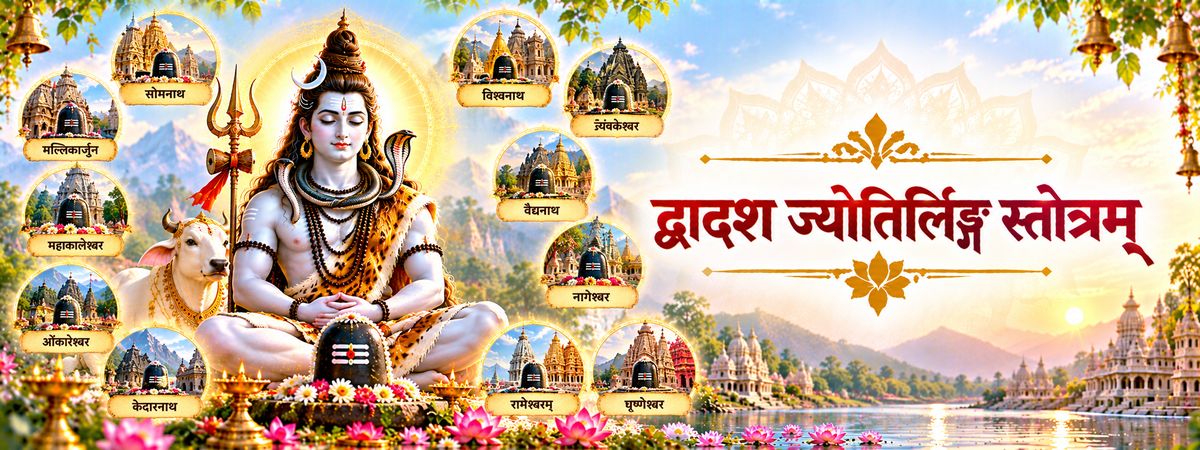
Dwadash Jyotirlinga Stotram – Saurashtre Somanatham Cha
The short prayer that names all twelve jyotirlingas of Shiva, from Somnath to Grishneshwar, and promises that remembering them morning and evening washes away the sins of seven births. Where each jyotirlinga is, and how the prayer is used.
Read more →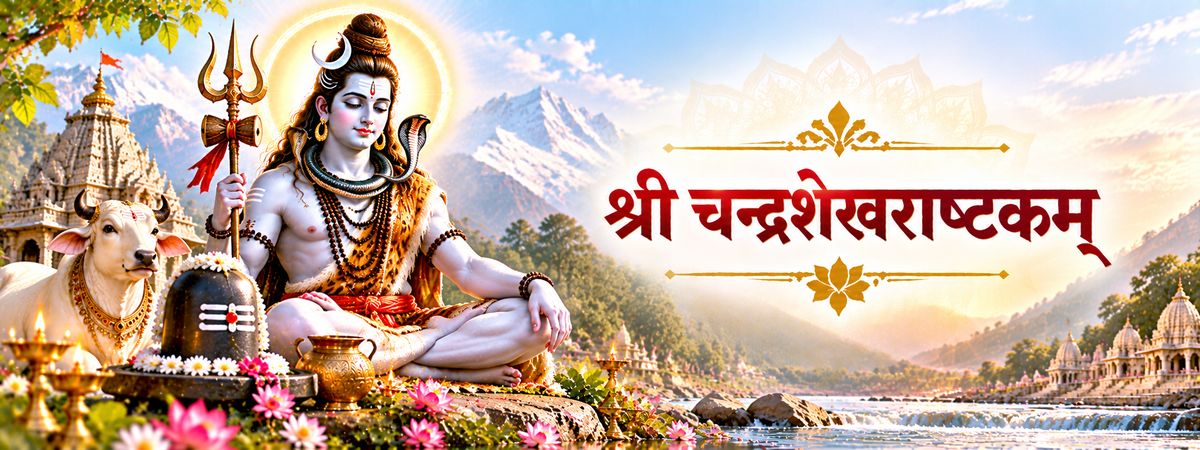
Chandrasekhara Ashtakam – Chandrasekhara Pahi Mam
Markandeya's hymn to Shiva, sung — the story goes — as the boy clung to the Shivalinga with Yama's noose around him: "I take refuge in Chandrasekhara; what can Yama do to me?" What the verses say, and why it is chanted for long life and protection from untimely death.
Read more →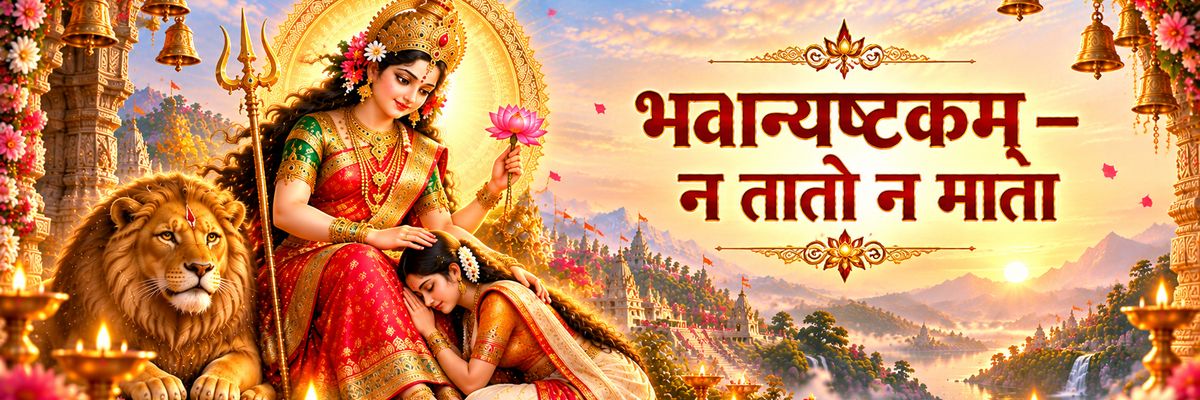
Bhavani Ashtakam – Na Tato Na Mata
Adi Shankaracharya's eight verses of complete surrender to the Divine Mother — "no father, no mother, no friend... you alone are my refuge, Bhavani". What each verse confesses, why it is so loved, and when to recite it.
Read more →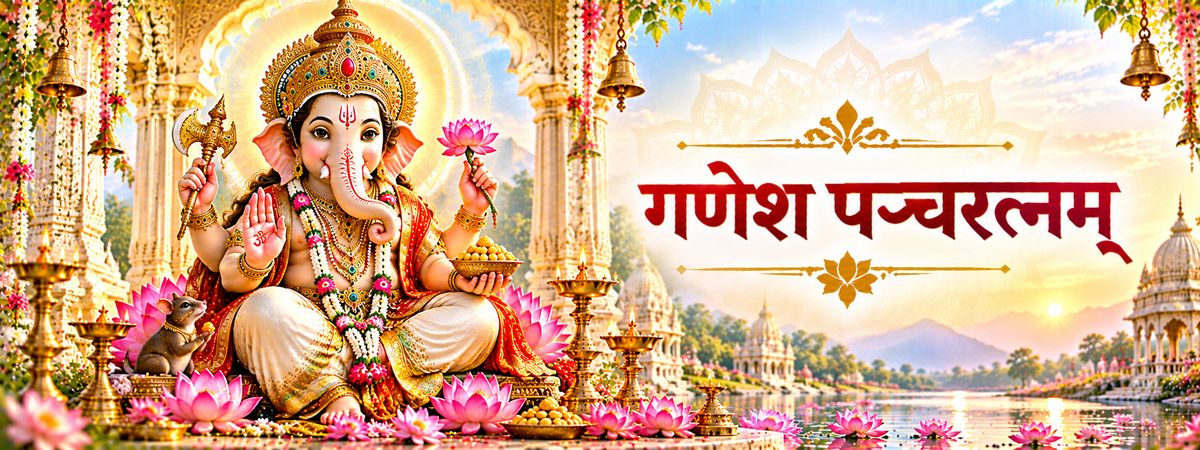
Ganesha Pancharatnam – Mudakaratta Modakam
Adi Shankaracharya's "five jewels" for Ganesh, beginning "Mudakaratta modakam" — the modaka in his hand, the moon on his head, the one-tusked remover of obstacles. What each verse says, its quick rhythm, and the phalashruti for morning recitation.
Read more →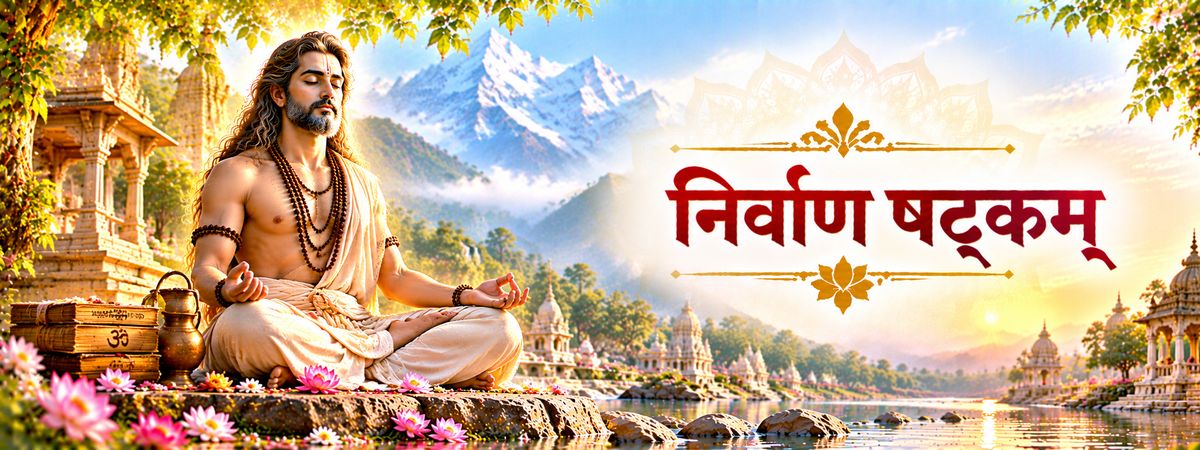
Nirvana Shatakam (Atma Shatakam) – Shivoham Shivoham
Adi Shankaracharya's six verses of "neti neti" — I am not the mind, not the senses, not the elements, not virtue or sin — each ending "Chidananda roopah Shivoham Shivoham". The story of the boy before his guru, what each verse negates, and how it is used in meditation.
Read more →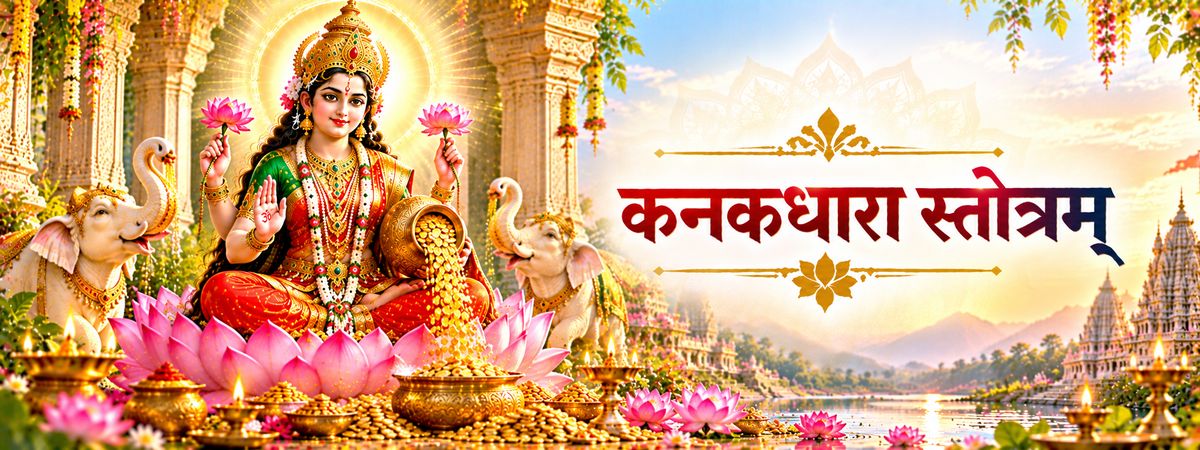
Kanakadhara Stotram
Adi Shankaracharya's hymn to Lakshmi, sung — the story goes — at the door of a poor brahmin woman who gave the young monk her last amla, until a shower of golden amlas fell on her house. What its verses ask for, and how it is recited on Fridays and Diwali.
Read more →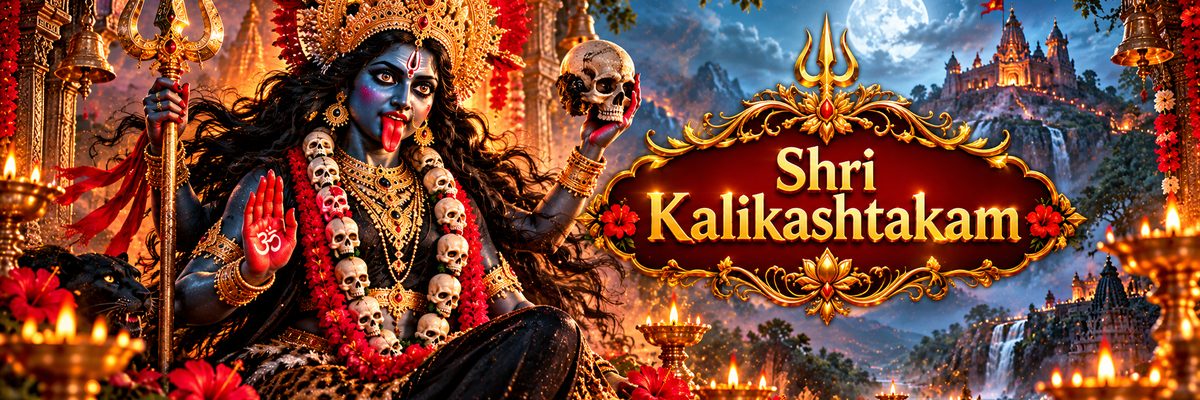
Shri Kalikashtakam
A hymn to Maa Kali attributed to Adi Shankaracharya: three verses of dhyana that paint her fierce form, then eight verses of praise that all end the same way, "even the gods do not know your true nature".
Read more →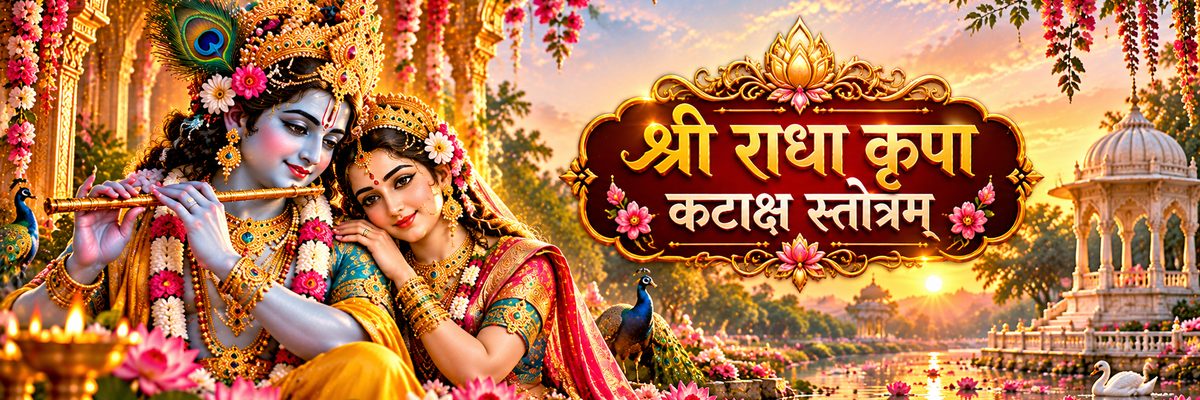
Shri Radha Kripa Kataksh Stotram
The best-loved Sanskrit hymn to Radha in Vrindavan, said to be spoken by Shiva to Parvati. Eleven verses end with the same longing question, "When will you make me the object of your merciful glance?", followed by a phala-shruti on when and where to recite it.
Read more →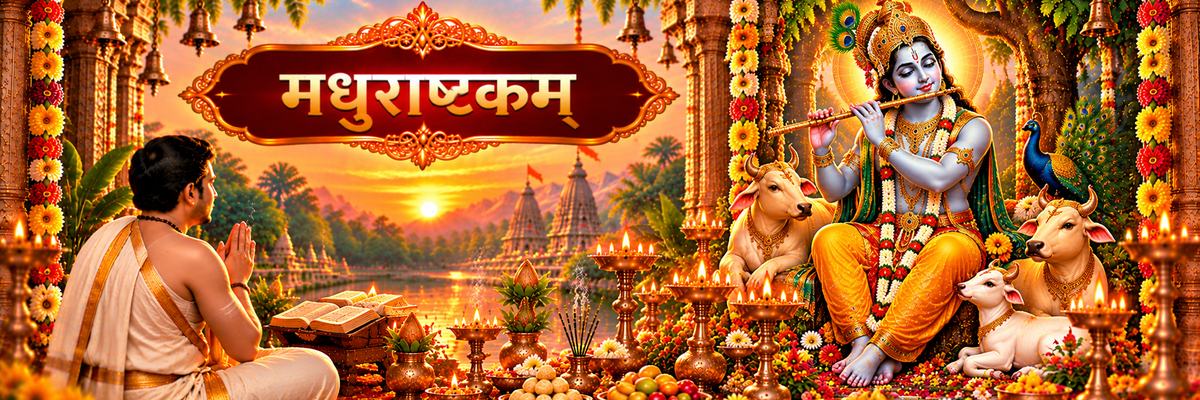
Madhurashtakam (Adharam Madhuram)
Vallabhacharya's eight verses on the sweetness of Krishna, in which nearly every word is followed by "madhuram", "sweet". His lips, eyes, flute, the dust he raises, his cows, his friends and even the Yamuna's waves are sweet, and each verse ends: "everything about the Lord of sweetness is sweet".
Read more →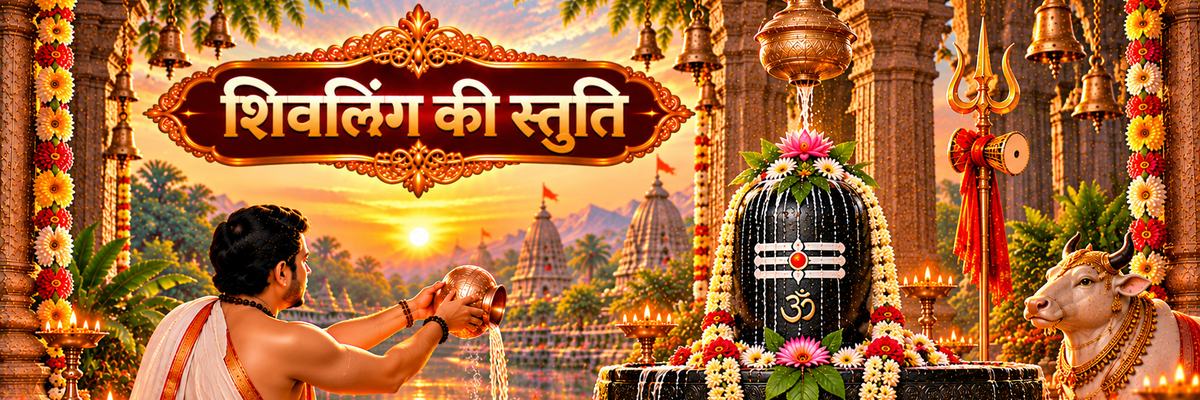
Lingashtakam (Brahma Murari Surarchita Lingam)
Eight Sanskrit verses in praise of the Shiva linga, every line ending in "lingam" and every verse closing "tat pranamami Sadashiva lingam", "to that linga of Sadashiva I bow". It recalls the linga worshipped by Brahma and Vishnu, the humbling of Ravana's pride and the ruin of Daksha's sacrifice, and is chanted while offering water and flowers at abhishek.
Read more →How a stotra differs from a chalisa
A stotra is a Sanskrit hymn of praise addressed to a deity, similar in purpose to a chalisa but generally older, composed entirely in Sanskrit rather than a vernacular language, and often more elaborate in its imagery and philosophical content. Where a chalisa is typically a fixed, folk-accessible form of forty verses, stotra length and structure vary considerably by text.
Examples on this site
The Shiva Tandava Stotram and the Hanuman Ashtak are two examples — each includes the Sanskrit, a transliteration, and an explanation of its meaning and traditional use.
Who typically recites a stotra
Because stotras are often more textually demanding than a chalisa, they're commonly recited by those already comfortable with Sanskrit pronunciation, or read alongside a transliteration and translation until the wording becomes familiar.