
Temple
Profiles of significant Hindu temples — their history, deity, and what to know before visiting.
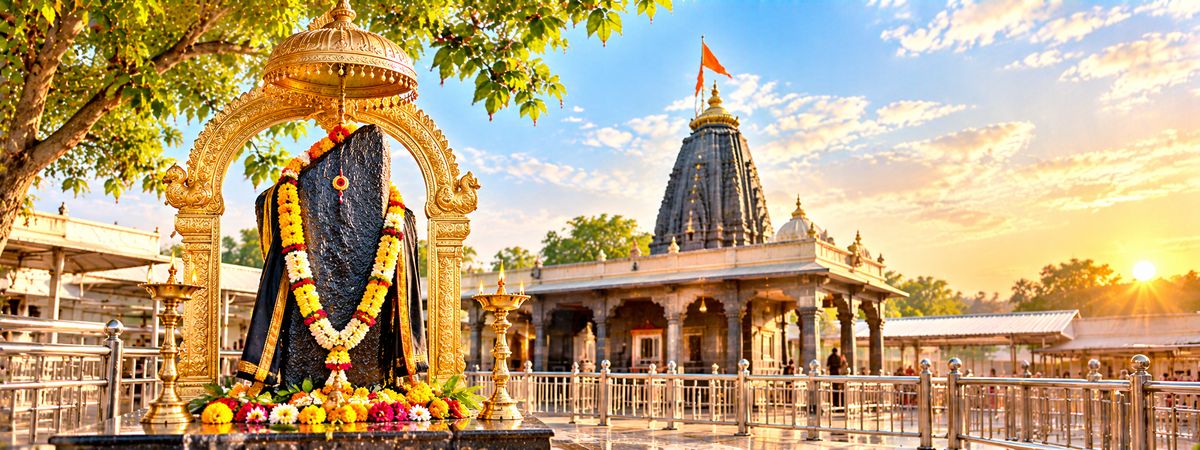
Shri Shani Shingnapur, Ahilyanagar (Maharashtra)
Shani Dev's open-sky shrine at Shingnapur in Ahilyanagar district: the swayambhu black stone with no roof over it, the village's flood legend and its houses without doors, women on the platform since 2016, the sealed branded-oil rule from March 2025, aarti timings, Shani Amavasya crowds, and how to reach from Shirdi and Ahilyanagar.
Read more →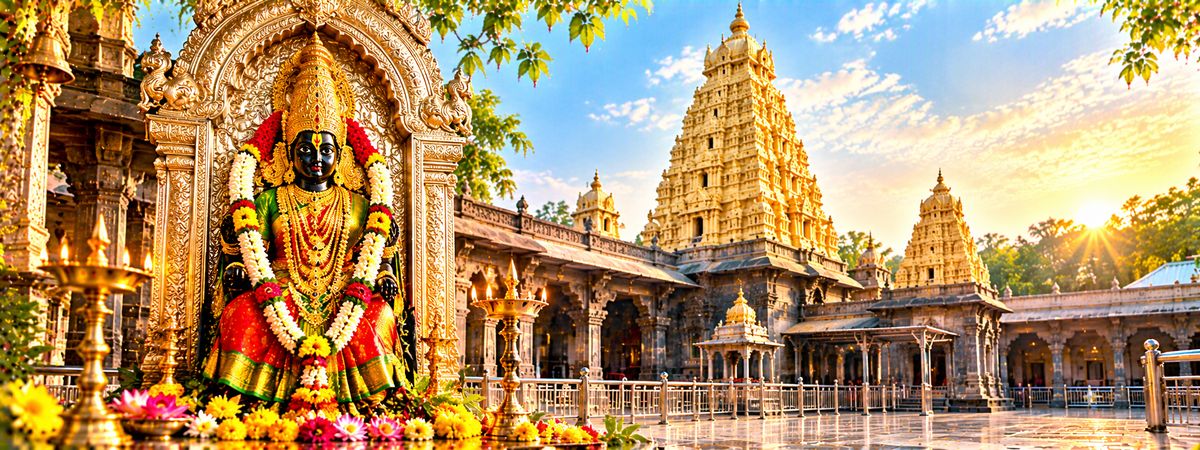
Shri Mahalakshmi (Ambabai) Temple, Kolhapur
The temple of Karveer-nivasini Mahalakshmi, Kolhapur's Ambabai and one of Maharashtra's three and a half Shakti Peethas: the west-facing goddess and the Kolasura legend, what inscriptions say about its age, the daily ritual schedule, the dress code, Navratri processions, the Kiranotsav sun festival and how to reach.
Read more →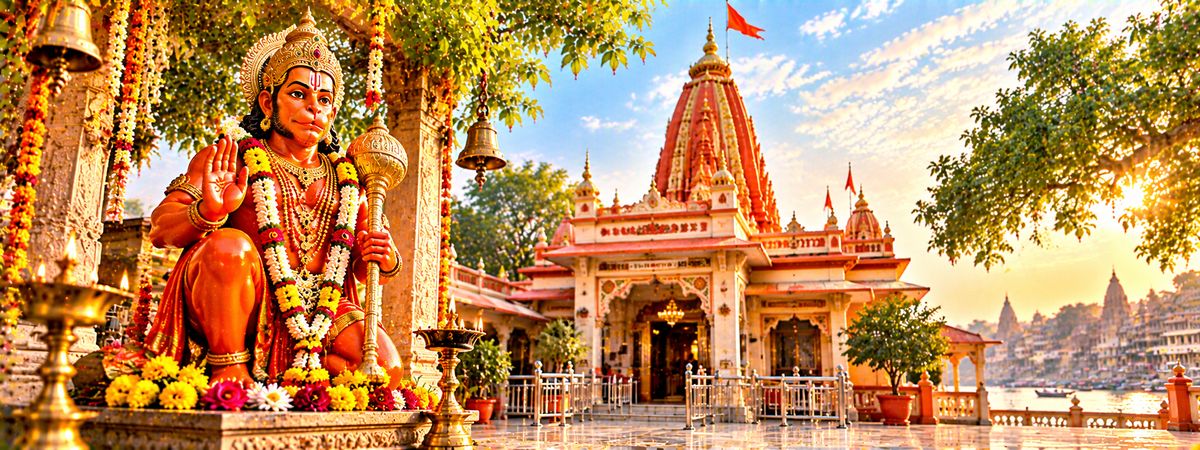
Shri Sankat Mochan Hanuman Temple, Varanasi
Varanasi's best-loved Hanuman temple, on the Assi river where Tulsidas is believed to have seen Hanuman: the legend and what is actually known of its history, Hanuman facing Rama, darshan hours, the phone ban and lockers, besan laddu prasad, Tuesday and Saturday crowds, the April Sangeet Samaroh and how to reach.
Read more →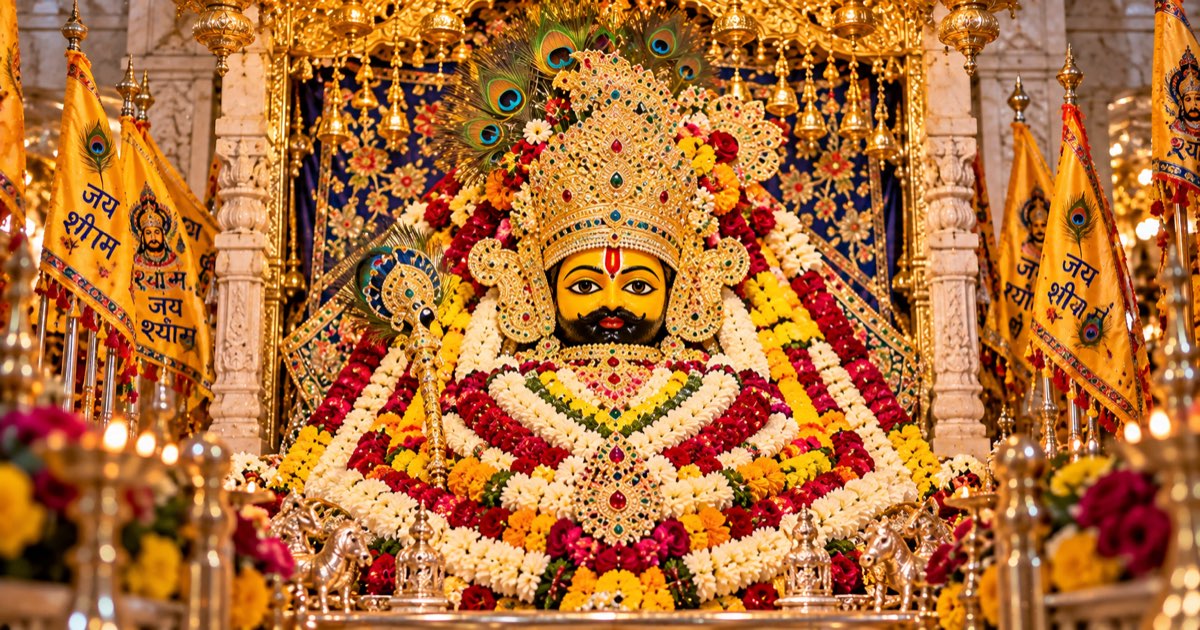
Shri Khatu Shyam Ji Temple, Khatu (Sikar)
The temple of Baba Shyam at Khatu in Rajasthan, where Barbarik's head is worshipped: summer and winter darshan timings and aartis, Ekadashi crowds, the Phalgun Lakhi Mela and the walk from Ringas with nishan flags, Shyam Kund, and how to reach.
Read more →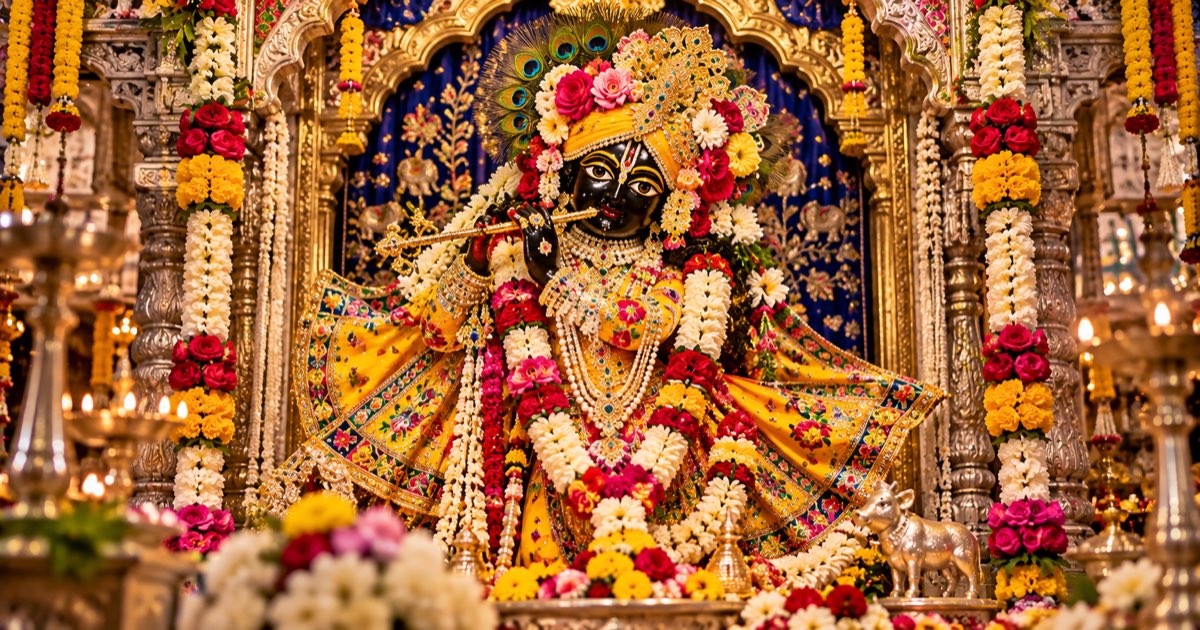
Shri Banke Bihari Temple, Vrindavan
Vrindavan's most beloved Krishna temple: the image that appeared to Swami Haridas at Nidhivan, the curtain drawn every few moments, no bells and no daily mangala aarti, seasonal darshan hours, the few days a year of special darshan, and tips for the crowds.
Read more →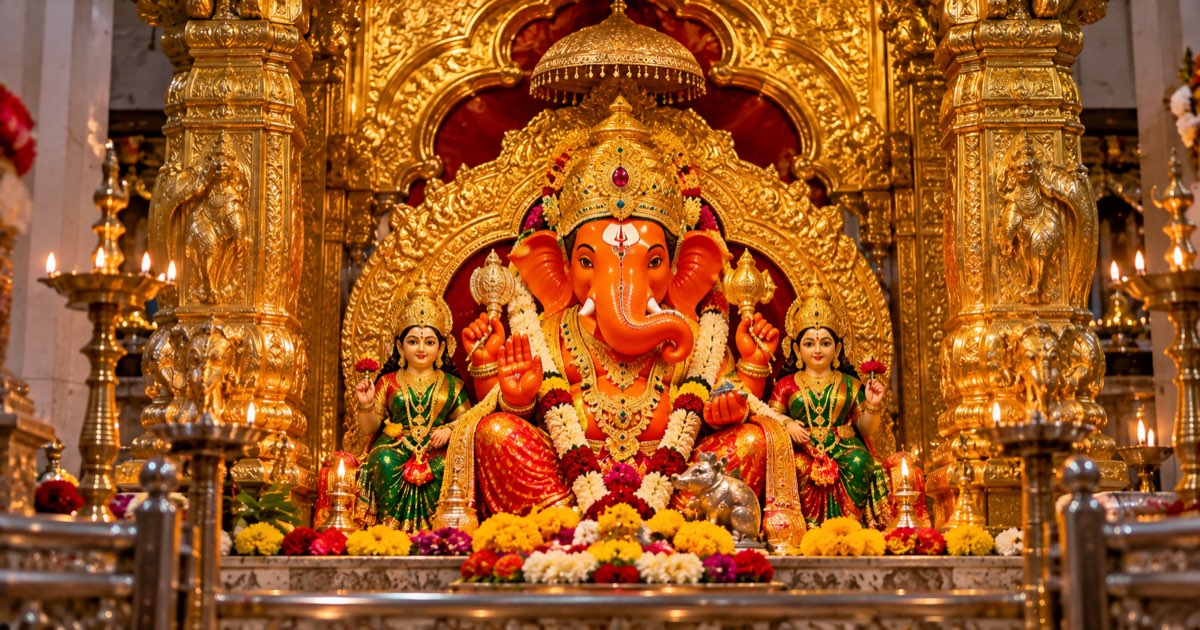
Shree Siddhivinayak Ganapati Temple, Mumbai
Mumbai's most visited Ganesh temple at Prabhadevi: its 1801 origin with Deubai Patil's vow, the right-trunked Siddhivinayak, Tuesday and Angarki crowds, darshan and online pooja booking, the trust's dress and phone rules, and how to reach.
Read more →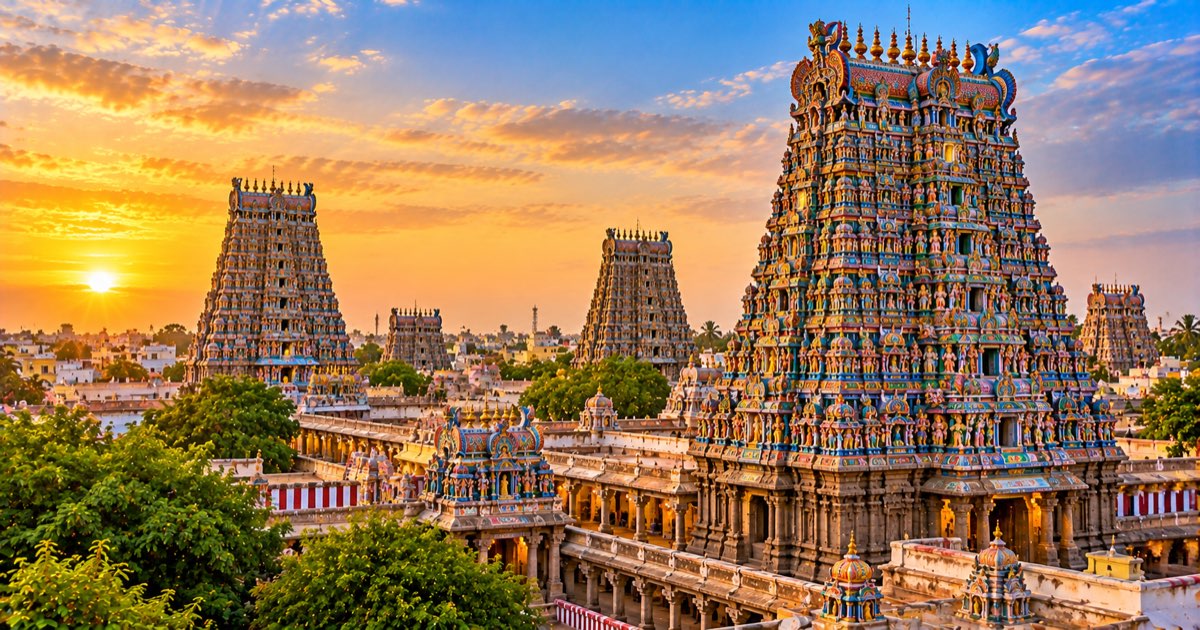
Arulmigu Meenakshi Sundareswarar Temple, Madurai
The great temple of Meenakshi (Parvati) and Sundareswarar (Shiva) at the heart of Madurai: the fish-eyed queen of the Pandyas, 14 gopurams, the Thousand Pillar Hall and Golden Lotus Tank, official timings, the Chithirai wedding festival, rules and how to reach.
Read more →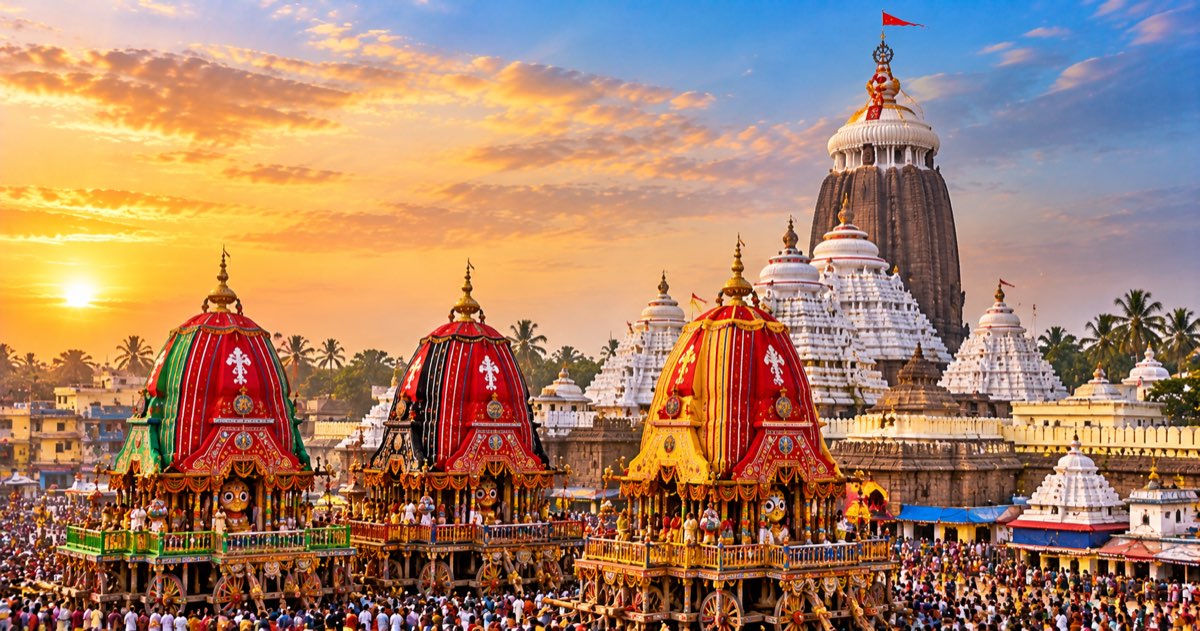
Shree Jagannath Temple, Puri
The temple of Jagannath, Balabhadra and Subhadra at Puri, one of the Char Dham: the wooden deities and Nabakalebara, the daily rituals (nitis) from Mangala Alati to Pahuda, Mahaprasad of Ananda Bazar, Ratha Yatra, entry rules and how to reach.
Read more →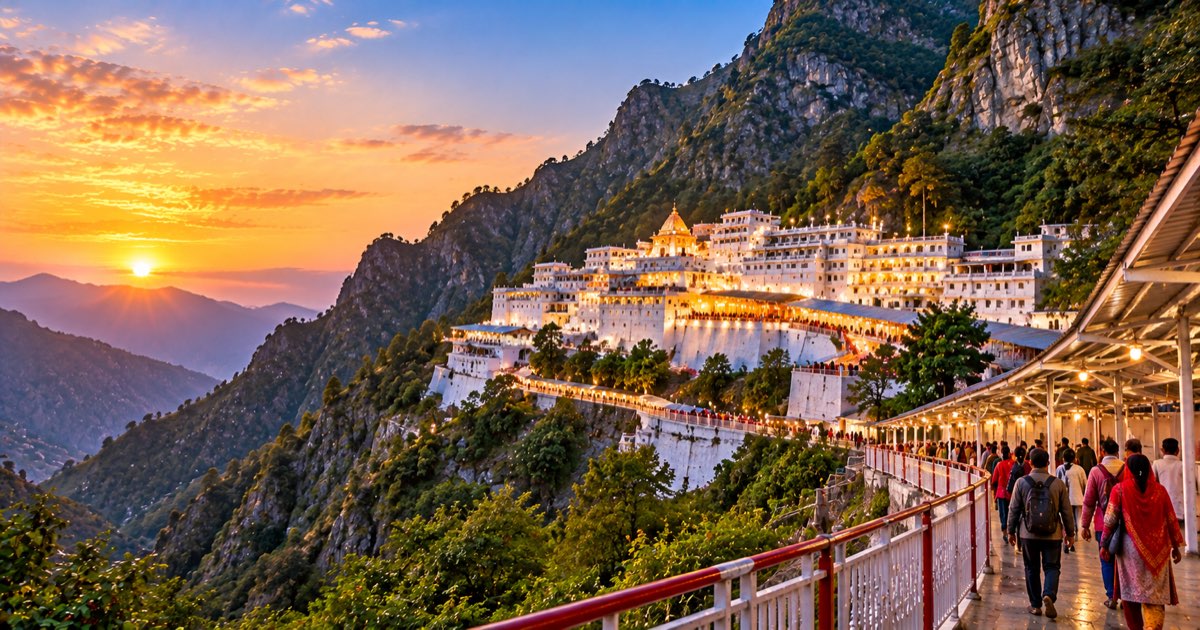
Shri Mata Vaishno Devi Shrine, Katra
The holy cave of Mata Vaishno Devi on Trikuta mountain above Katra: the three Pindis, free RFID yatra registration, the trek of about 13 km, helicopter and battery car options, the twice-daily Atka Aarti, Bhairon temple and the ropeway, and how to plan the yatra.
Read more →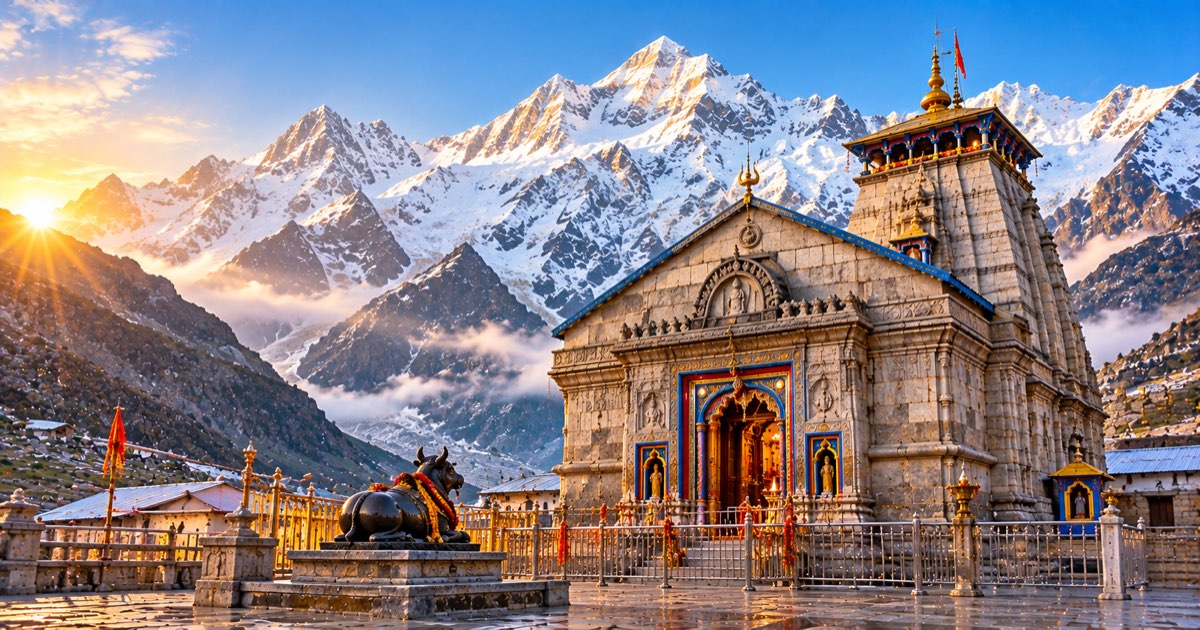
Shri Kedarnath Temple, Uttarakhand
Shiva's Himalayan Jyotirlinga at about 3,583 m, open only from late April or May to Bhai Dooj: the Pandavas' legend, Adi Shankaracharya's samadhi, the 2013 flood and Bhim Shila, mandatory registration, the trek from Gaurikund, helicopter booking and safety tips.
Read more →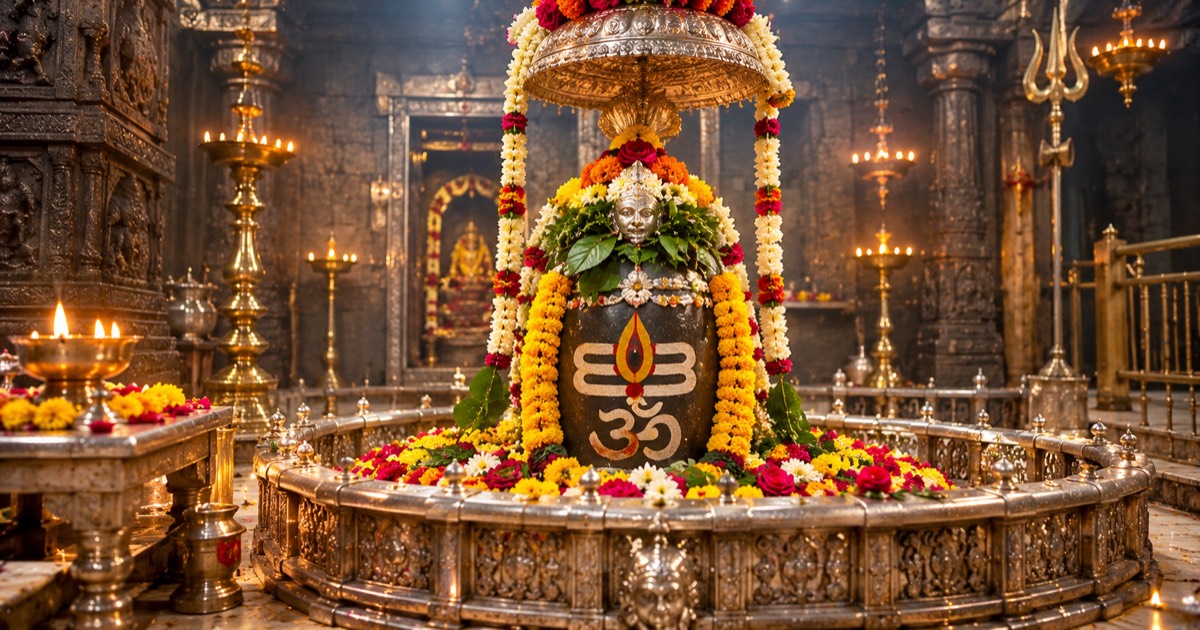
Shri Mahakaleshwar Jyotirlinga, Ujjain
The south-facing Jyotirlinga of Ujjain, famous for the Bhasma Aarti before dawn: how the Bhasma Aarti works and how to book it, darshan, the Mahakal Lok corridor, the Nagchandreshwar shrine that opens one day a year, and how to reach.
Read more →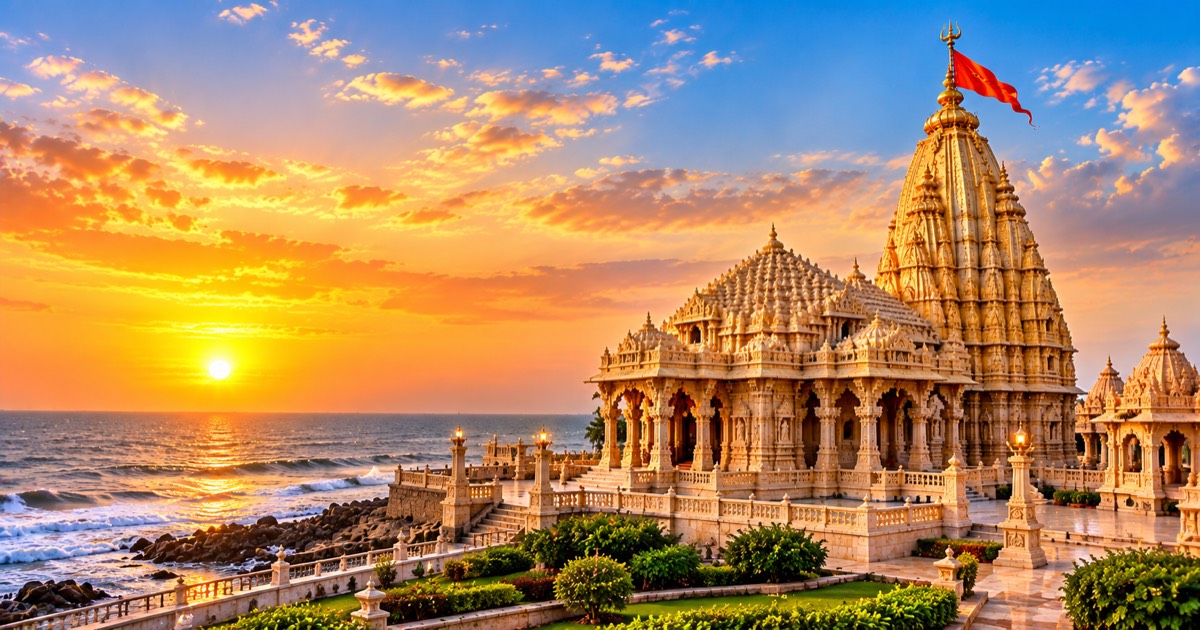
Shree Somnath Jyotirlinga Temple, Gujarat
The first of the twelve Jyotirlingas, on the Arabian Sea at Prabhas Patan: the Moon's legend, a temple destroyed and rebuilt again and again, its 1951 reconsecration, aarti times, the evening light and sound show, how to reach and nearby tirthas.
Read more →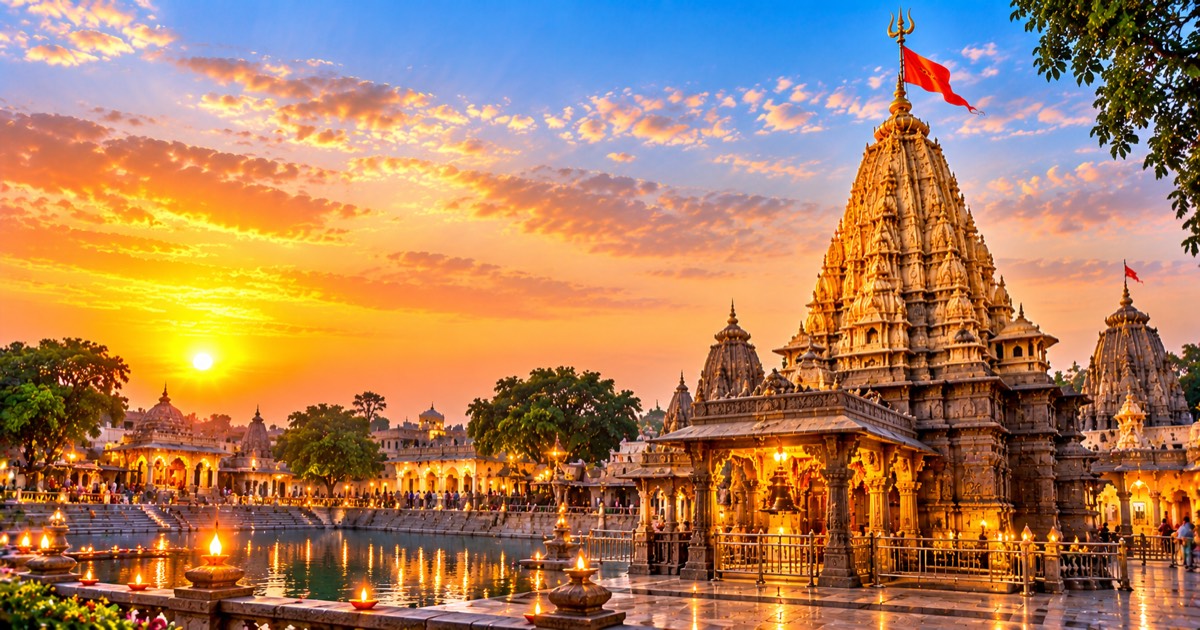
Shri Kashi Vishwanath Temple, Varanasi
Shiva's Jyotirlinga in Varanasi, the oldest living city of India: daily aarti and darshan timings from the temple trust, Sugam darshan and aarti tickets, the Kashi Vishwanath Dham corridor, how to reach and what to know before you go.
Read more →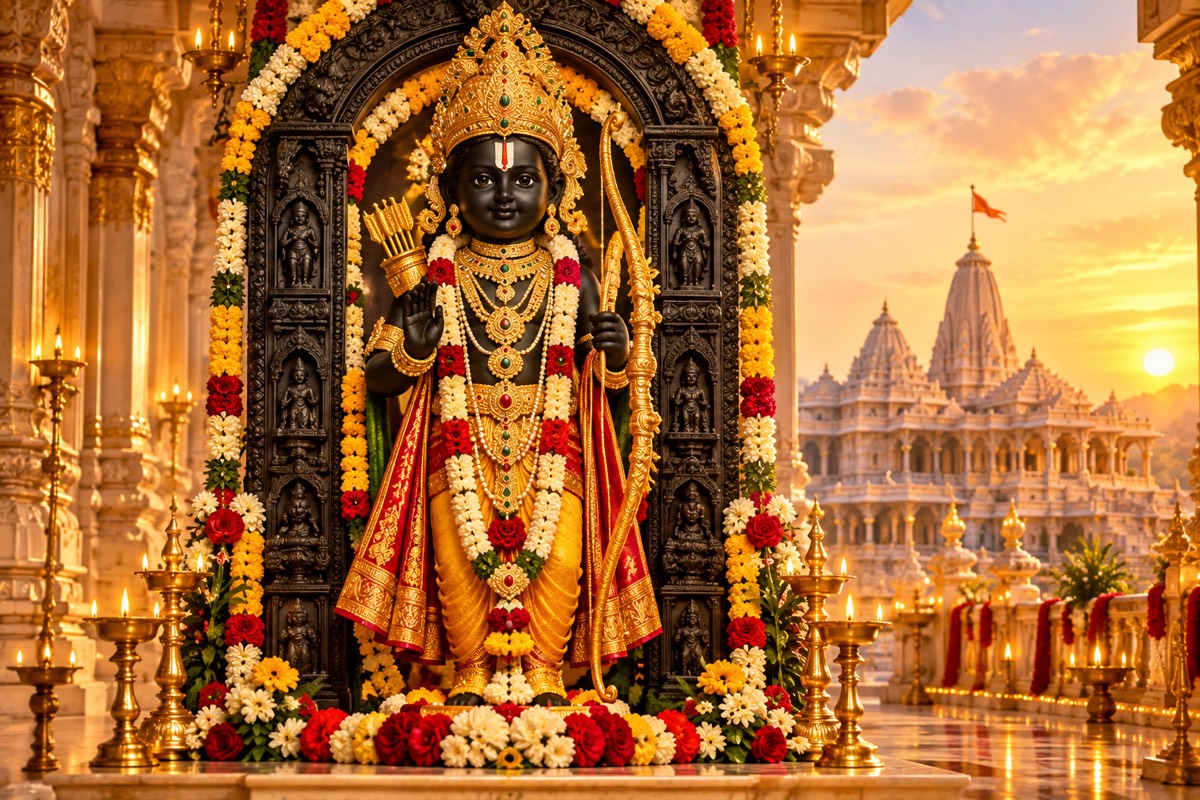
Shri Ram Janmabhoomi Mandir, Ayodhya
Ram Lalla's temple at his birthplace in Ayodhya: aarti and darshan timings, aarti passes, how to reach, what to carry and nearby places to visit.
Read more →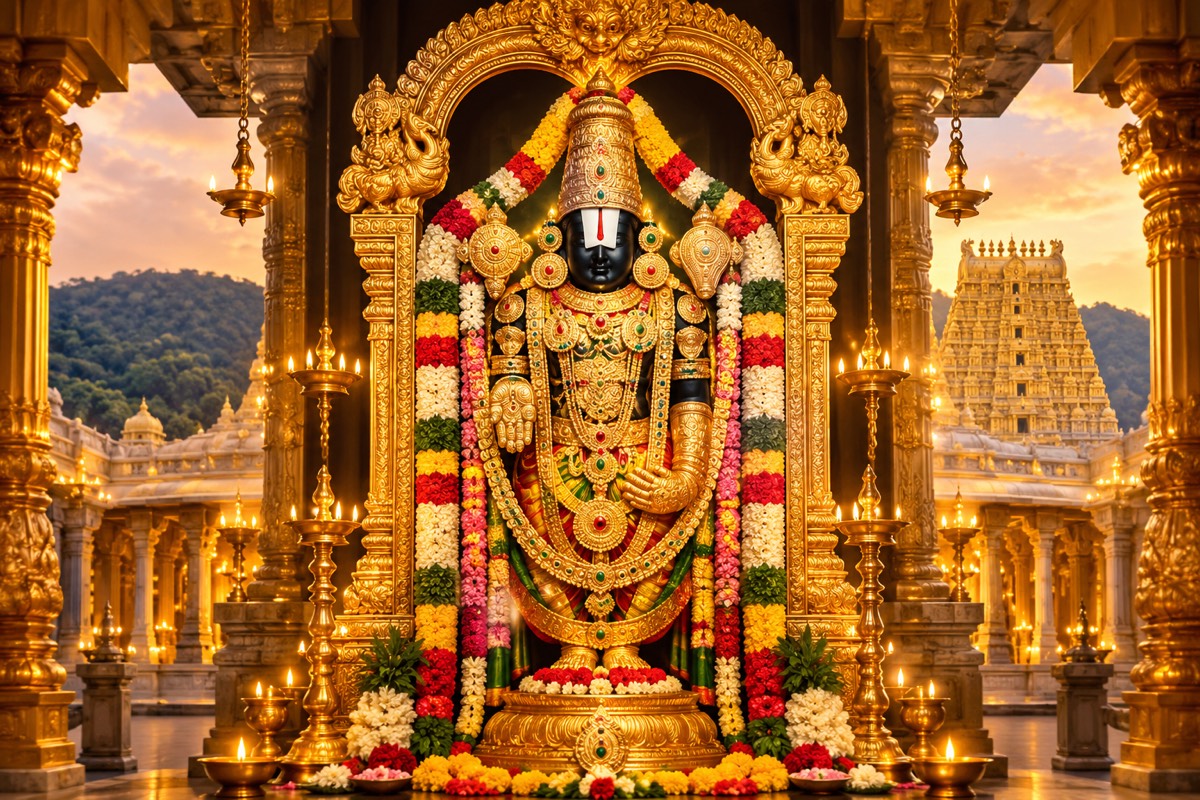
Tirupati Balaji Temple
Sri Venkateswara's hilltop shrine at Tirumala: temple and darshan timings, daily sevas, how to reach, dress code and practical tips for your visit.
Read more →What each temple profile covers
Beyond basic facts, each temple page here covers the story behind its founding, architectural or historical significance, the specific form of the deity worshipped there, and practical details relevant to a visit or a pilgrimage plan, such as Tirupati Balaji Temple.
Why the same deity can look different by temple
A single deity is often worshipped in a distinct local form at different temples — a specific pose, a particular legend of how the deity came to reside there, or a unique ritual found nowhere else — which is part of why visiting several temples dedicated to the same deity can still feel like genuinely different experiences.
Temples as living tradition
A temple isn't only a historical site — it's an active place of daily ritual, with its own aarti timings, festival calendar and priestly lineage, much of which continues unchanged over centuries alongside the building itself.