Maa Parvati
Daughter of the Himalaya and wife of Shiva, who won him through penance: the gentle mother of Ganesha and Kartikeya, worshipped as Gauri on Teej and Gangaur.
Who Maa Parvati is
Parvati is "the daughter of the mountain": her father is Himavan, king of the Himalaya, and her mother is Mena. She is the wife of Shiva and the mother of Ganesha and Kartikeya, and with Lakshmi and Saraswati she is one of the Tridevi, the three great goddesses. Parvati is the Devi in her gentle, domestic form. The same power appears fierce as Durga and terrifying as Kali, but as Parvati she is a wife, a mother and the mistress of a household on Kailash. That is why married women in particular turn to her.
Sati, then Parvati
Her story begins in an earlier life. As Sati, daughter of the patriarch Daksha, she married Shiva against her father's wishes. Daksha later held a great sacrifice and pointedly left Shiva out. Sati went anyway, heard her husband insulted in front of everyone, and gave up her body in the sacrificial fire. Shiva's grief and rage destroyed the sacrifice. As he wandered carrying her body, Vishnu's discus divided it, and the places where the pieces fell became the Shakti Peethas. Sati was reborn as Parvati, which is why the Parvati Chalisa calls her both Giri tanaye, daughter of the mountain, and Dakshaje, daughter of Daksha.
How she won Shiva
After Sati's death Shiva withdrew into deep meditation. The gods needed a son of Shiva to defeat the demon Tarakasura, so they sent Kamadeva, the god of love, to stir him. Shiva opened his third eye and burnt Kama to ashes. Parvati understood that beauty would not win him, and she turned to tapas instead. She gave up food, then lived on leaves, then gave up even those, which gave her the name Aparna, "without even a leaf". Shiva came to test her disguised as a young ascetic and mocked the ash-smeared god she wanted. She defended Shiva so firmly that he revealed himself and accepted her. Kalidasa's Kumarasambhava tells this story in some of the finest poetry in Sanskrit. Their son Kartikeya went on to kill Tarakasura.
Her names and forms
- Uma, Gauri, Girija, Shailaja, Haimavati: names from her mountain birth and her fair complexion.
- Annapurna: the giver of food, worshipped at Kashi, who feeds even Shiva when he comes as a beggar.
- Shailputri and Mahagauri: the first and eighth forms worshipped in Navratri are both Parvati. Mahagauri recalls the story that her years of penance darkened her skin, and Shiva washed her with Ganga water until she shone white.
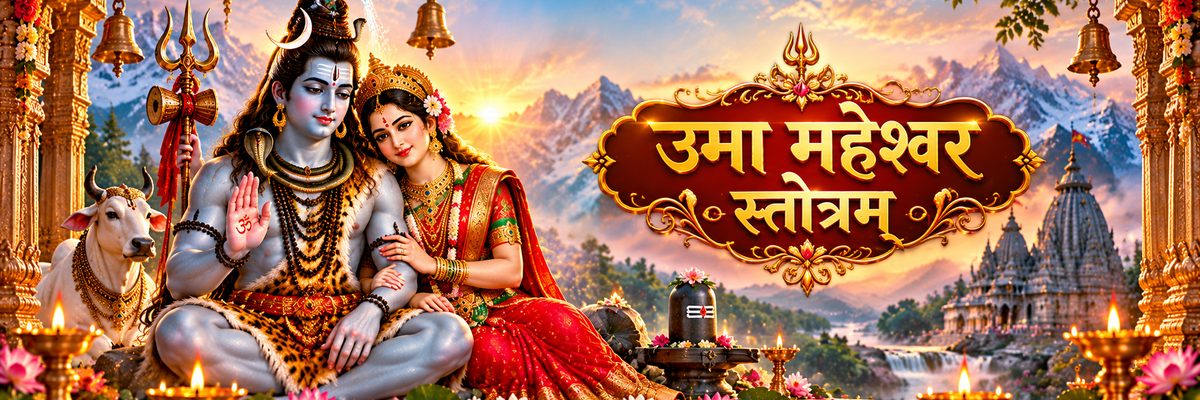
- Ardhanarishvara: Shiva and Parvati as one body, half male and half female. The image says the two cannot be separated.
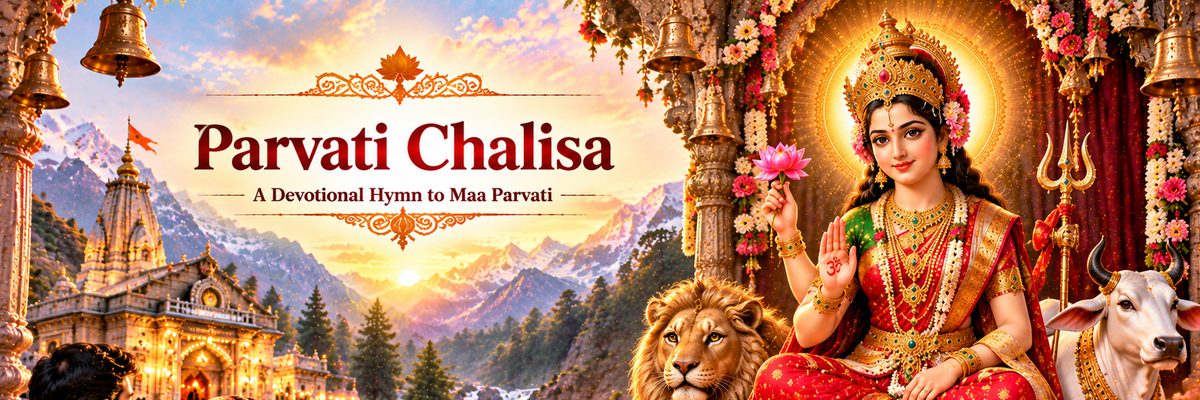
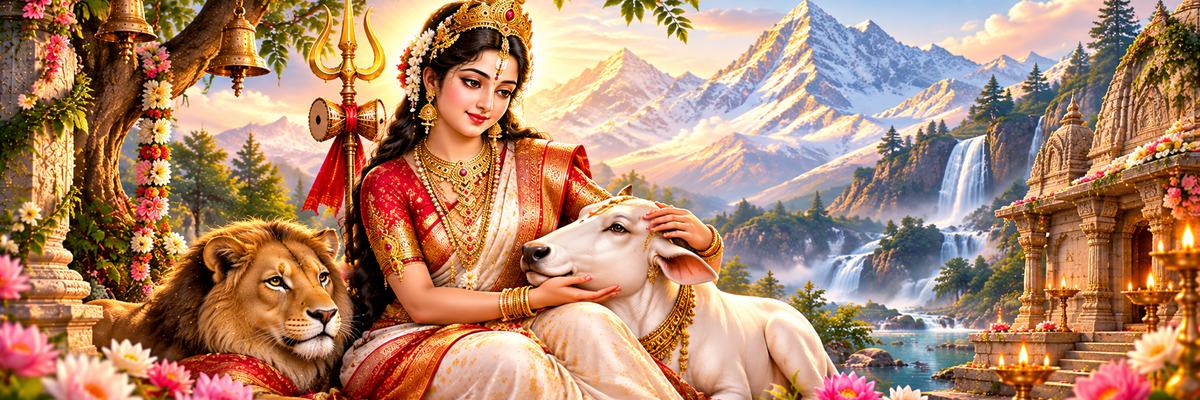
She is usually shown two-armed beside Shiva on Kailash, with Ganesha on her lap, or four-armed riding a lion.
Festivals and vrats
Parvati's festivals are among the most widely kept women's observances in India.
- Hartalika Teej (Bhadrapada Shukla Tritiya): a strict fast, often without water, kept by married women for their husbands and by unmarried girls for a husband like Shiva. It recalls her own penance.
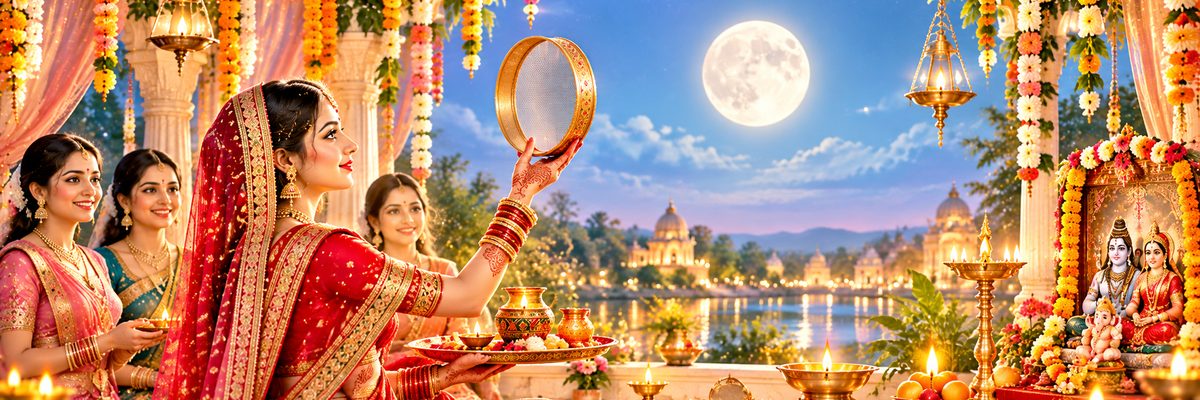
- Hariyali Teej (Shravan Shukla Tritiya): swings, green clothes, mehendi and songs celebrating the reunion of Shiva and Parvati.
- Gangaur (Chaitra Shukla Tritiya): the great festival of Rajasthan, when women worship clay images of Gauri and Isar (Shiva) for days, then carry them in procession.
- Mangala Gauri vrat: kept on the Tuesdays of Shravan by newly married women.
- Mondays and Mahashivratri: she is worshipped together with Shiva.
How to worship her at home
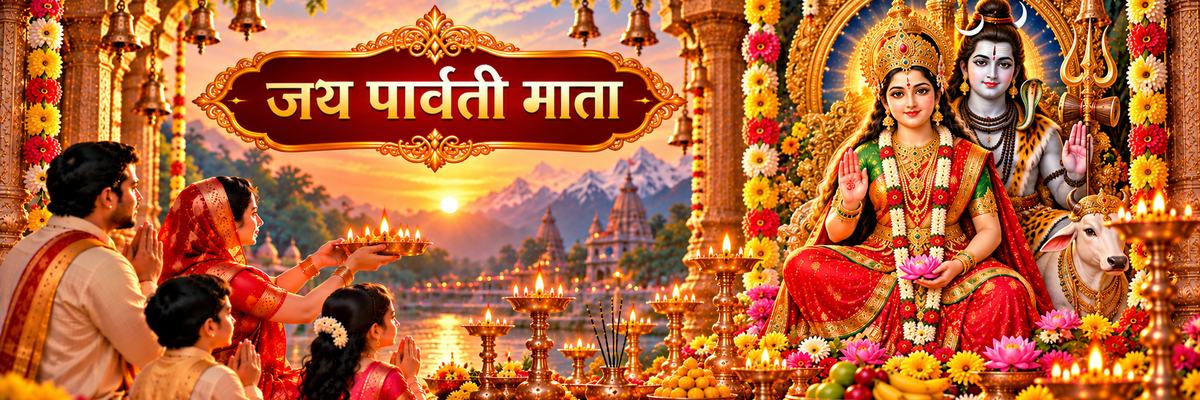
Parvati is rarely worshipped alone. In most homes she is honoured beside Shiva, and Shiva and Parvati's family, including Ganesha, sit together in the shrine. Women offer her suhag items: sindoor, bangles, bindi, mehendi and a red chunri. A lamp, flowers, the Parvati Chalisa and the aarti Jai Parvati Mata make a complete puja. Many families sing it straight after Om Jai Shiv Omkara so the couple is praised together.
Temples
Every Shakti Peetha is, in tradition, a place of Sati, so all of them are hers. Some temples worship her by particular names: Meenakshi at Madurai, who in temple legend married Shiva as Sundareshwar there; Kamakshi at Kanchipuram; and the Annapurna temple near Kashi Vishwanath in Varanasi. Gaurikund, on the trek to Kedarnath, is named for her and is traditionally held to be where she did her penance.