
Article
Practical guides and explainers on devotional practice, from daily routines to the reasoning behind rituals.
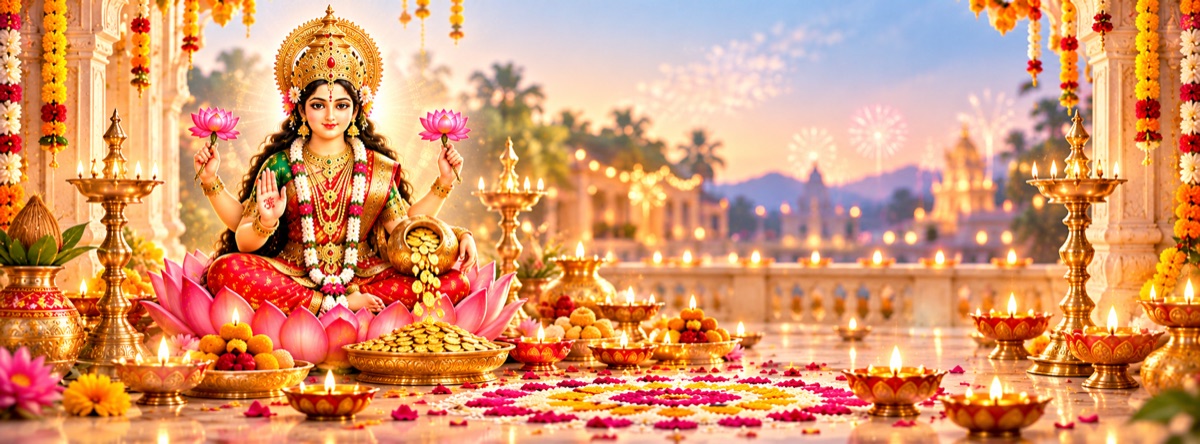
Diwali 2026 Laxmi Puja Vidhi: A Step-by-Step Guide to Welcoming Mahalakshmi at Home and at Your Shop or Office
Diwali Lakshmi Puja is on Sunday, 8 November 2026. In Delhi the muhurat is 5:54 to 7:50 pm (Pradosh kaal with Vrishabha lagna) and Nishita kaal is 11:39 pm to 12:31 am. How to place Lakshmi, Ganesh and Saraswati, a full samagri checklist, the puja step by step at home, and the extra steps for a shop or office.
Read more →Published10 min read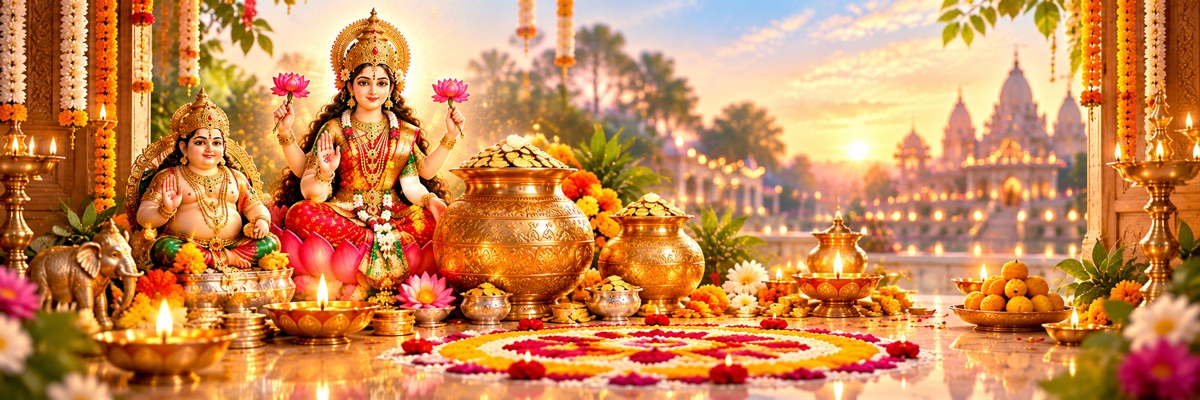
What to Buy and Avoid on Dhanteras 2026? Zodiac-wise Shopping, 3 Coriander Remedies and Yama Deepam
Dhanteras is on Friday, 6 November 2026, with the puja muhurat at 6:02 to 7:57 pm in Delhi. Why gold, silver, brass, a broom, whole coriander and salt are bought; why iron, glass and sharp things are avoided; zodiac-wise suggestions; three coriander customs; and how to light the Yama Deepam facing south.
Read more →Published10 min read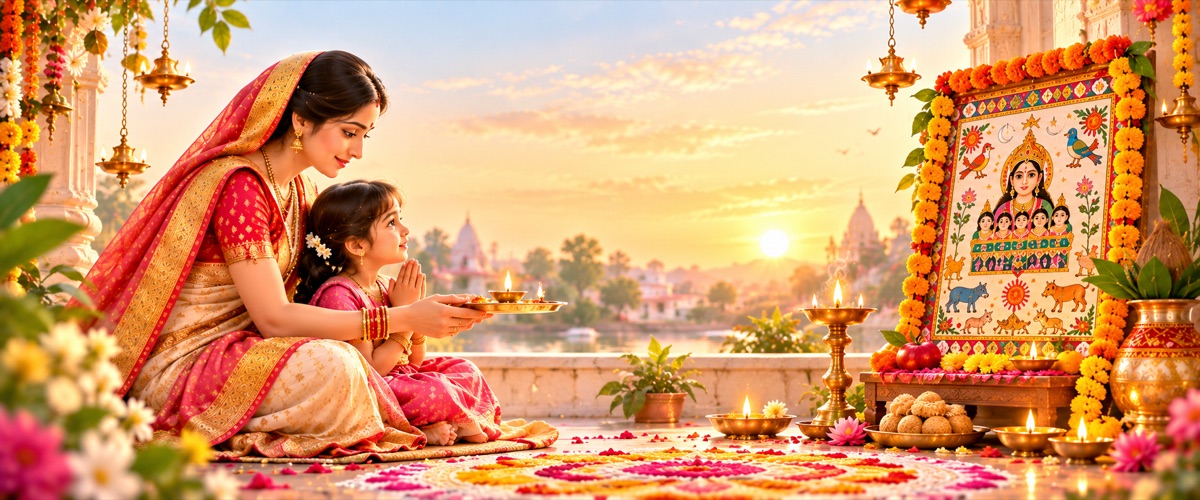
Ahoi Ashtami 2026: Puja Vidhi, Shubh Muhurat and Vrat Rules for Your Children's Long Life
Ahoi Ashtami falls on Sunday, 1 November 2026. The puja muhurat in Delhi is 5:36 to 6:54 pm and the stars can be seen from 6:00 pm. Here is the full vidhi: drawing Ahoi Mata, the karwa and the Syahu mala, the story of the seven sons, and when to offer arghya to the stars.
Read more →Published8 min read
Karwa Chauth 2026: Puja Muhurat, Moonrise Time and City-wise Timings
Karwa Chauth falls on Thursday, 29 October 2026. The fast runs from 6:31 am to moonrise at 8:17 pm in Delhi, and the puja muhurat is 5:38 to 6:56 pm. Here is the day hour by hour, from sargi to the moon's arghya, with puja muhurat and moonrise times for 17 cities.
Read more →Published7 min read
Vijayadashami 2026: How to Do Your Child's Vidyarambh Sanskar, with Muhurat, Vidhi and Saraswati Puja Rules
Vidyarambham or Aksharabhyasam on Vijayadashami 2026: why 20 October suits North Indian families and 21 October is the day in Kerala and Karnataka, how a child writes their first letters in a plate of rice, the step-by-step vidhi at home, the Saraswati puja rules to follow, and what the ritual means.
Read more →Published9 min read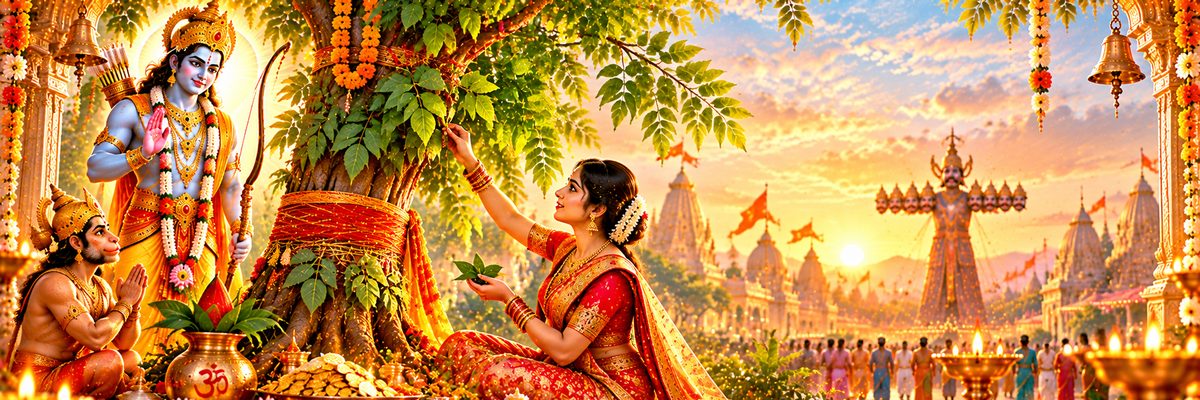
The Shami Leaf Upay for Dussehra: Why Families Keep Shami Leaves in the Tijori, and the Mantra That Goes With It
Why Shami leaves are wrapped in red cloth and kept in the tijori after the Dussehra puja on 20 October 2026: the Mahabharata and Raghu stories behind it, how to take the leaves, what goes in the bundle, the Shami mantra with its meaning, and what to do with last year's leaves.
Read more →Published8 min read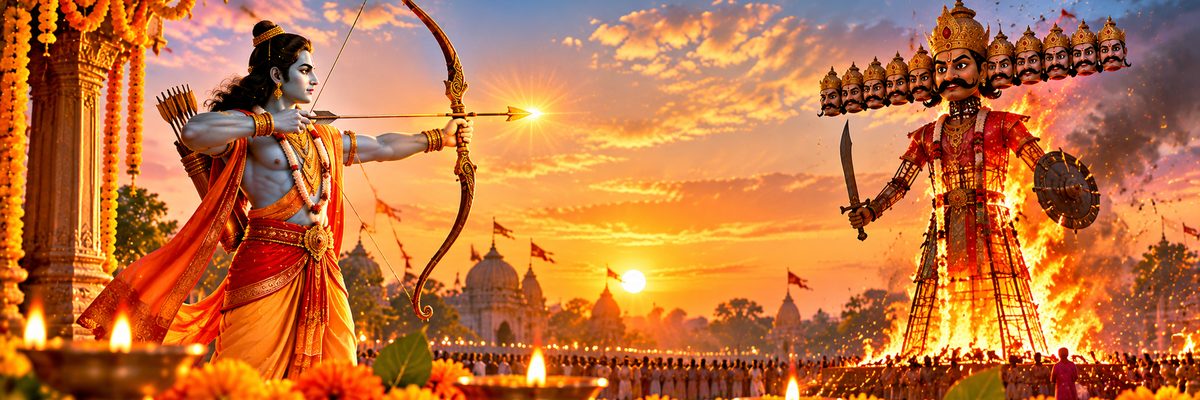
Dussehra Do's and Don'ts: What Not to Do on Vijayadashami, and What Is Auspicious to Begin
The customs families follow on Vijayadashami (20 October 2026): why trees are not cut and how to take Shami and apta leaves without harming them, why the day forbids insulting anyone, the cautions that matter at Ravan Dahan, and the new beginnings, from Vidyarambham to a first business deal, that tradition calls auspicious on this day.
Read more →Published10 min read
What Do Ravana's 10 Heads Symbolise? How to End the 10 Vices Within This Vijayadashami
What the Ramayana says about Ravana's ten heads, where the popular reading of them as ten vices comes from, what each of the ten stands for, the moment in Ravana's own story where it shows, and one practical way to cut it down in yourself before Ravan Dahan on 20 October 2026.
Read more →Published12 min read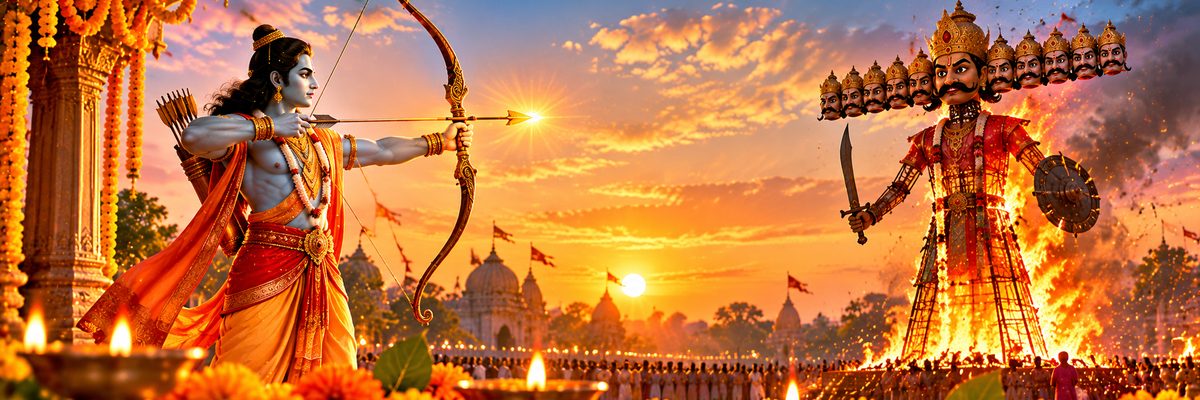
5 Traditional Vijayadashami 2026 Upay: Dussehra Customs for Good Fortune, Peace and Prosperity at Home
Five customs families have kept on Dussehra for generations: looking for the Neelkanth bird, giving in secret, Shami leaves for the tijori, clearing the home of heaviness, and an evening with Ram and Hanuman. Where each comes from, how to do it on 20 October 2026, and what to avoid.
Read more →Published11 min read
Vijayadashami Shastra Puja Vidhi: How to Worship Weapons, Tools and Vehicles at Home and at Work
Why weapons and the tools of one's livelihood are worshipped on Dussehra, the 2026 Vijay muhurat (Tuesday 20 October), a step-by-step shastra puja for the home, how shops, offices and factories do it, the vahan puja, safety rules for licensed arms, and answers to common questions.
Read more →Published11 min read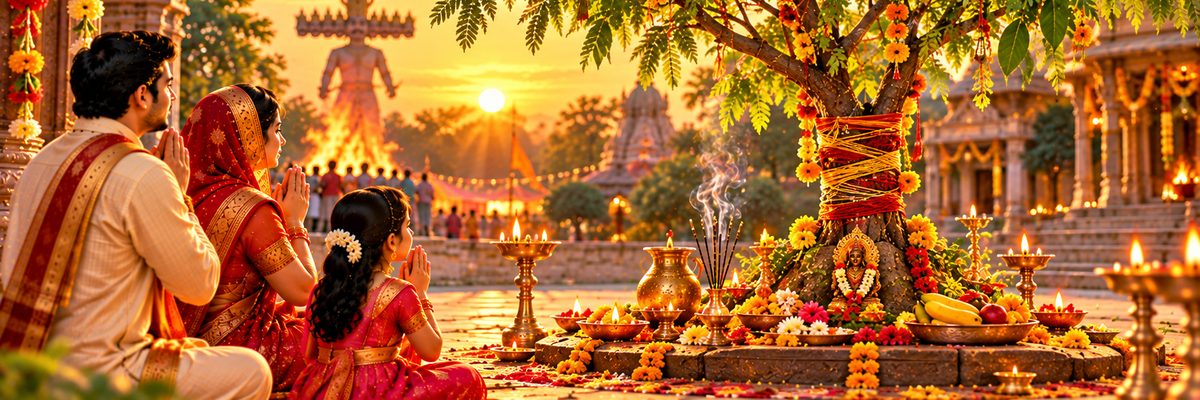
How to Worship the Shami Tree on Dussehra: Vidhi, Mantra and Significance
Besides Ravan Dahan, Vijayadashami has two quieter household rites: Aparajita puja and Shami puja. Their 2026 muhurat (Tuesday 20 October), the step-by-step vidhi, the mantras, the Mahabharata story of the Pandavas' hidden weapons, and the tradition of keeping Shami leaves in the tijori.
Read more →Published8 min read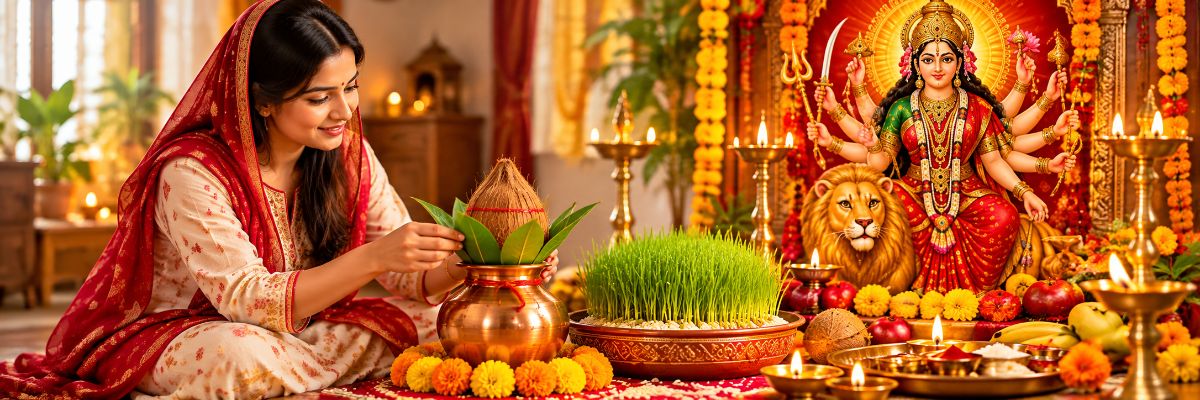
Navratri Kalash Sthapana, Fasting and Puja Vidhi: A Complete Guide for Home
A step-by-step guide to Navratri at home: what to gather, how to set up the kalash and sow the jau, how to keep the fast and what to eat, how to do the daily puja, and how to close the nine days with kanya pujan and visarjan.
Read more →Published10 min read
Pitru Paksha 2026: What to Buy and What Not to Buy
What families traditionally avoid buying during Pitru Paksha (26 September to 10 October 2026), what is fine and even encouraged, and which foods the Mahabharata says not to use in shraddha.
Read more →Published5 min read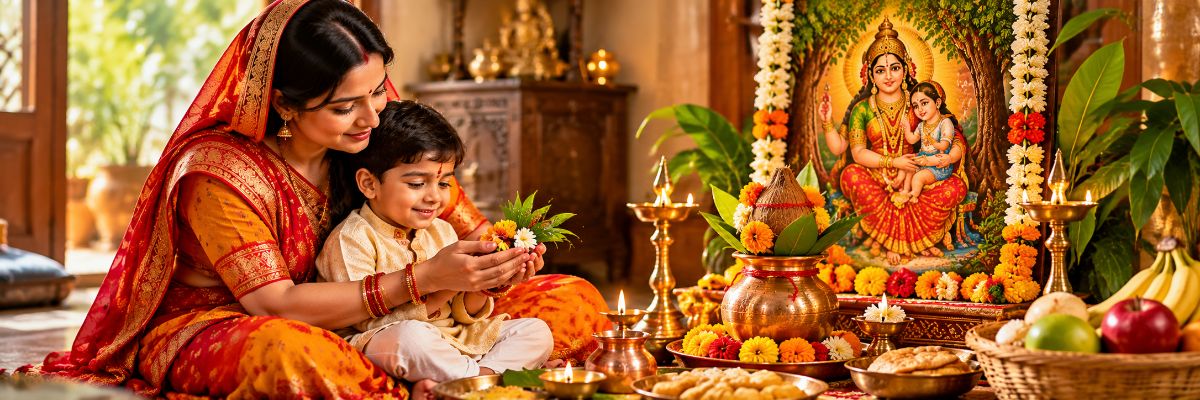
Jivitputrika Vrat 2026: Date Decision by Panchang Tradition and the Shastras
Jyotishacharya Harendra Chaubey on why Jitiya 2026 falls on Saturday 3 October, with the parana on Navami: Saptami lasts under twelve dandas, so Saturday's Ashtami is pure.
Read more →Published5 min readShardiya Navratri 2026: Kalash Sthapana Muhurat and Day-by-Day Puja Dates
Jyotishacharya Harendra Chaubey's calendar for Shardiya Navratri 2026 (11–20 October): the kalash sthapana muhurat, which form of Maa Durga is worshipped each day, and the timings for Mahanisha puja, the Navami havan and the Dashami parana.
Read more →Published4 min read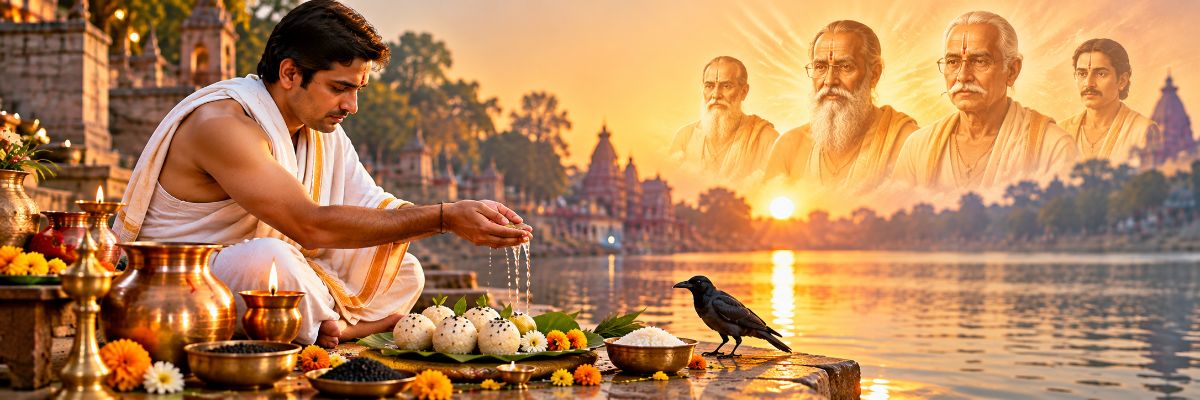
Pitru Paksha: The Fortnight for Remembering Ancestors
What Pitru Paksha is, why Hindus offer shraddha and tarpan to their ancestors, how the day for each person is chosen, and what families usually do and avoid in these sixteen days.
Read more →Published4 min read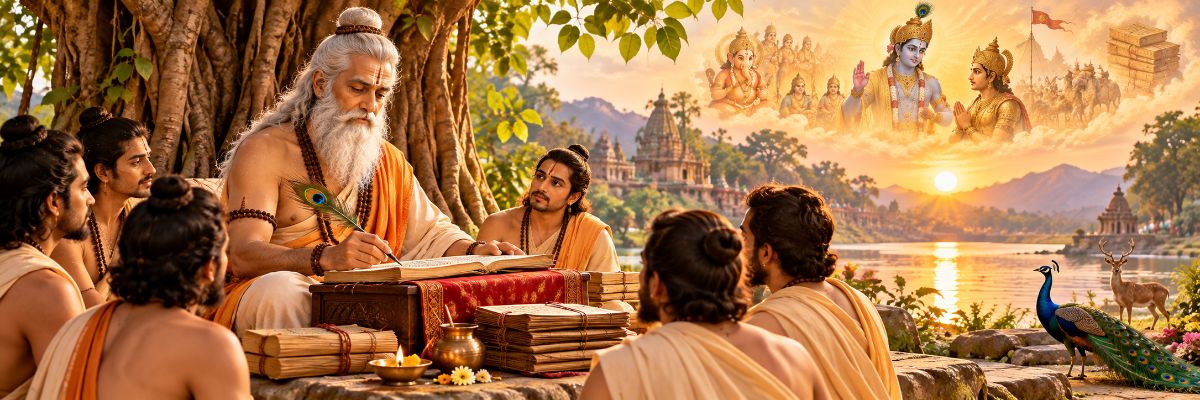
Maharishi Ved Vyasa: Author of the Mahabharata and Bhagavad Gita
Who Ved Vyasa was — his birth as Krishna Dvaipayana, why he is called Vyasa, his place in the Mahabharata family, and how he gave us the Gita.
Read more →Published4 min read
Why Hindu Festival Dates Change Every Year
How the lunar Panchang calendar works, why festivals shift on the Gregorian calendar, and why a leap month gets added every few years.
Read more →Published2 min read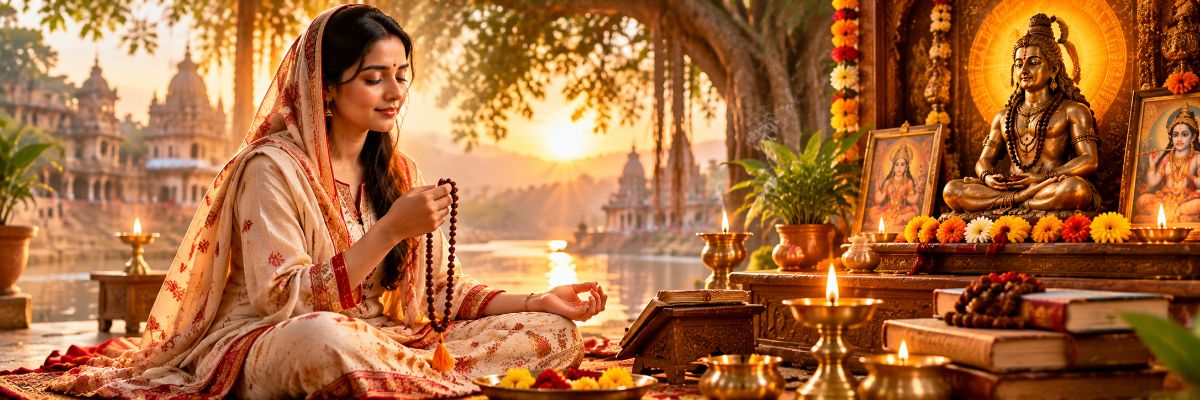
Japa: The Practice of Mantra Repetition
What japa is, why a mala has 108 beads, and the three traditional levels of chanting — spoken, whispered and silent.
Read more →Published2 min read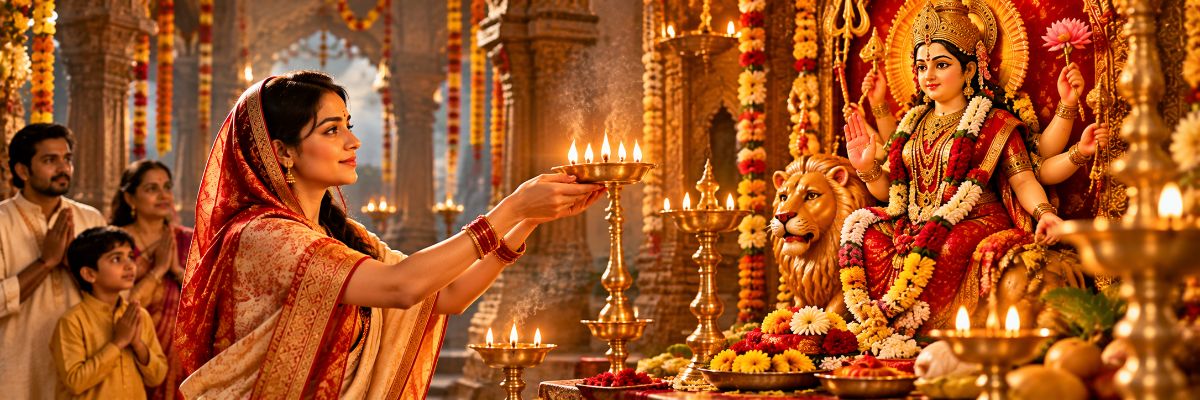
The Significance of Aarti in Hindu Worship
What the ritual of aarti actually involves, why fire is central to it, and why it's sung rather than performed in silence.
Read more →Published2 min read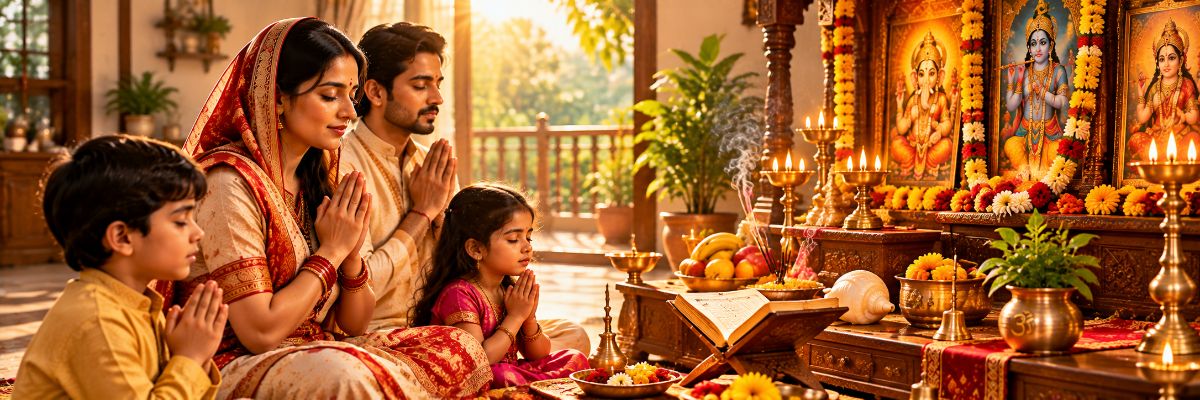
How to Start a Daily Prayer Routine
Practical tips for building a simple, sustainable daily devotional practice.
Read more →Published2 min read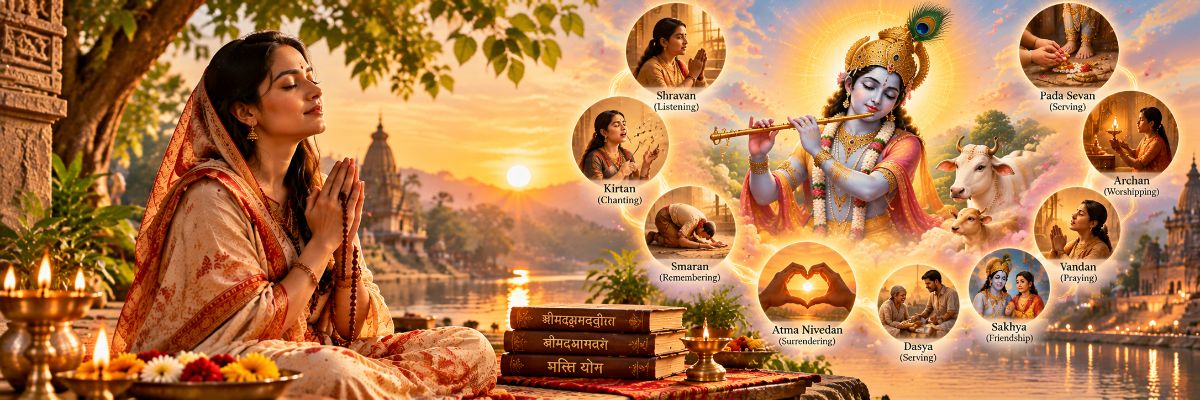
An Introduction to Bhakti Yoga
The basics of the path of loving devotion, one of the four classical paths of yoga.
Read more →Published2 min readWhat belongs in this section
Unlike a mantra, aarti or scripture page, which presents a fixed traditional text, an article here explains a concept, answers a practical question, or walks through how to do something — like how to start a daily prayer routine or why festival dates change every year.
Written for genuine understanding
Each article is written to actually explain its topic in depth, with real specifics rather than a thin restatement of the question — the goal is that reading one leaves you able to explain the idea to someone else, not just recognise the term.
A growing library
This is one of the site's most actively expanding sections; if a question about devotional practice isn't answered here yet, it's a reasonable one to suggest via our Contact Us page.